Easy Western Toast Ideas

James Carter
| 28-04-2026
 · Cate team
Mornings can be rushed, but that doesn't mean breakfast has to be boring. A slice of toast might seem basic, yet it's a canvas for creativity, flavor, and balanced nutrition.
With a few ingredients and simple techniques, you can turn a humble slice of bread into a breakfast that's satisfying and visually appealing.
Choosing the Right Bread
The foundation of any great toast is the bread itself. Whole-grain or sourdough varieties add flavor, texture, and nutrients. Look for loaves with a firm crust that will hold toppings without becoming soggy.
Whole-Grain Bread – Rich in fiber and minerals, whole-grain slices support digestion and keep you full longer. Toast lightly for a crisp exterior while retaining a soft interior.
Sourdough – Slightly tangy and chewy, sourdough complements sweet or savory toppings. Slice evenly and consider lightly buttering before toasting to enhance flavor.
Gluten-Free Options – For those with dietary restrictions, choose dense gluten-free bread that can withstand toasting without crumbling.
Essential Toppings
Toast becomes exciting when you mix textures, flavors, and colors. Focus on combinations that are visually appealing and nutritionally balanced.
Protein – Nut butter, Greek yogurt, or soft scrambled eggs add protein and creamy texture. Spread almond butter evenly and top with sliced banana for a sweet-savory twist.
Fruits and Veggies – Fresh berries, avocado slices, or thinly shaved carrots add color, nutrients, and crunch. Example: top toast with smashed avocado, cherry tomatoes, and a sprinkle of seeds.
Extras – Seeds, herbs, or a drizzle of honey elevate both taste and presentation. Chia seeds on yogurt-topped toast give a subtle crunch and boost fiber.
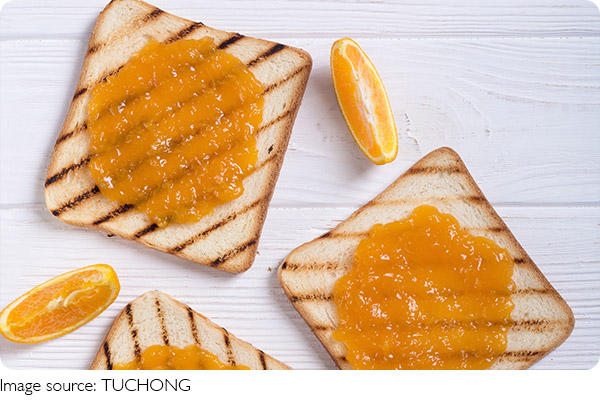
Step-by-Step Toast Assembly
Preparing a visually appealing and tasty toast is simple with a systematic approach.
Lightly toast the bread until golden brown for a crisp base. This ensures it holds toppings and avoids sogginess.
Spread a thin layer of your base ingredient, such as nut butter, cream cheese, or avocado. This layer anchors additional toppings.
Add your main toppings evenly, considering color and height. Balance flavors like sweet and salty or creamy and crunchy.
Finish with garnishes like seeds, herbs, or a drizzle of syrup to tie the flavors together and make the toast look appealing.
For example, a breakfast toast could feature ricotta spread, fresh berries, a dusting of cinnamon, and a few mint leaves for freshness.
Quick Savory Variations
Toast isn't limited to sweet flavors. Savory versions provide protein and satisfy cravings in a light, quick format.
Avocado & Egg – Mash avocado with lemon juice, season with salt, and top with a poached egg. Optional chili flakes add a mild kick.
Tomato & Cheese – Layer sliced tomato, mozzarella, and fresh basil. Broil briefly for a warm, melty variation.
Hummus & Veggies – Spread hummus and top with thin cucumber slices, roasted peppers, or spinach for a colorful, nutrient-rich option.
Tips for Consistent Results
A few small practices make toast more enjoyable and reliable each morning.
Even Slicing – Slice bread uniformly to ensure even toasting and topping stability.
Temperature Control – Toast at medium heat to prevent burning. Over-toasting dries the bread and makes it brittle.
Layer Mindfully – Heavier ingredients go on first, lighter ones last to avoid slippage. For instance, a base of cream cheese holds soft fruits in place better than a spread of honey.

With these strategies, even a simple slice of bread can be transformed into a breakfast that's both nutritious and visually delightful. Breakfast doesn't have to be complicated to feel special. By paying attention to bread quality, layering thoughtfully, and experimenting with toppings, you can make mornings a little brighter and tastier. Each toast becomes an opportunity to enjoy textures, flavors, and colors in a meal that energizes your day.