French Dessert

Yuna
| 28-04-2026
 · Cate team
French desserts have this magical way of looking delicate yet tasting indulgent. From silky mousses to crisp pastry layers, they feel like a luxury treat you'd find in a Parisian patisserie.
But with a few thoughtful techniques, you can bring these desserts into your own kitchen without stress. Here's a guide to understanding layers and crafting them at home.
Understanding the Layers
Each French dessert relies on the harmony of multiple textures and flavors. A classic layered dessert like a mille-feuille combines a crisp puff pastry, creamy custard, and a thin glaze. Recognizing these layers helps in recreating them successfully.
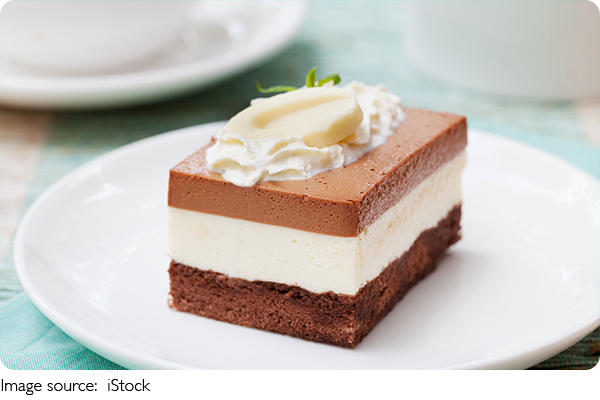
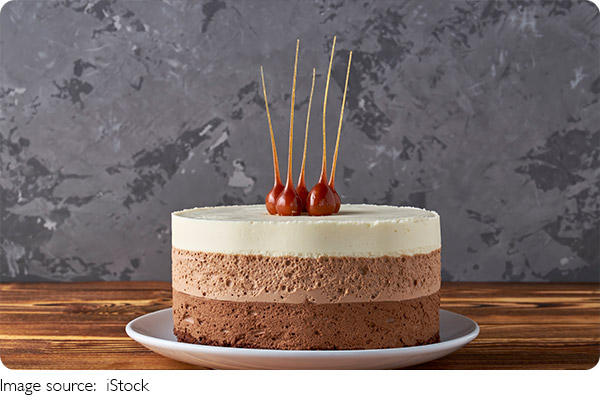
Base Layer – Typically a sturdy component like puff pastry or sponge cake that supports the dessert. Make sure it's even and baked fully to avoid sogginess.
Middle Layer – This could be a mousse, pastry cream, or fruit compote. It should be firm enough to hold shape but smooth and flavorful. For example, chocolate mousse can be whipped to medium peaks to create structure without being heavy.
Top Layer – Often a glaze, ganache, or powdered sugar. This final layer gives visual appeal and adds an extra taste dimension. A thin chocolate glaze poured warm over a cooled layer sets with a glossy finish.
Ingredient Selection
The key to flavor and texture lies in choosing the right ingredients. Fresh cream, high-quality chocolate, and real vanilla can transform a basic dessert into something special.
Dairy – Use full-fat cream for mousses and custards to achieve a rich texture. Light cream might separate during whipping.
Sweeteners – You can combine stevia and erythritol to reduce sugar without compromising taste. Start with half the sugar measurement and adjust to preference, testing sweetness in small batches.
Flavors – Vanilla beans, citrus zest, or espresso powder can elevate layers. For example, a hint of orange zest in a custard layer brightens chocolate flavors.
Building the Dessert
Layering is about precision and patience. A slight misstep can lead to uneven layers or collapsing textures.
Prepare each layer separately and chill if needed. Chilled layers, like mousse or cream, hold shape better.
Use an offset spatula or piping bag to spread layers evenly. For mousse, pipe it directly onto the base for cleaner edges.
Alternate textures carefully. A crunchy base with a soft cream middle and a firm ganache top creates a pleasing contrast in every bite.
For example, when making a layered chocolate-orange dessert, start with a crisp almond sponge, pipe chocolate mousse over it, and finish with a thin orange glaze. Chill for an hour before serving to let flavors meld.
Presentation Tips
French desserts are as much about beauty as taste. Clean lines and careful finishing elevate the home-made feel.
Use Rings or Molds – Silicone molds allow you to create individual portions with clean edges. Remove molds gently after chilling.
Garnish Thoughtfully – Edible flowers, cocoa dusting, or a thin chocolate shard add elegance. A small garnish can make a simple dessert look sophisticated.
Layer Visibility – Transparent glasses or cut slices show off distinct layers. For instance, a layered parfait in a glass demonstrates each color and texture, making it more appealing.
Final Tips for Success
Patience and practice are crucial. It's better to assemble slowly and correct as you go than rush and have layers slip. Keep a small offset spatula handy for adjustments.
Chill each layer if possible; this stabilizes creams and mousses. Taste as you go to balance sweetness and flavors. And remember, even if the layers aren't perfect, the combination of textures and flavors will delight anyone tasting it.
Creating French desserts at home teaches you precision, patience, and creativity. Each attempt improves your understanding of texture and flavor, making it easier to adapt and invent your own layered treats. With a few basic tools and quality ingredients, you can craft desserts that look impressive and taste divine, turning an ordinary afternoon into a mini celebration.