Low-Sugar Desserts

Raghu Yadav
| 29-04-2026
 · Cate team
That moment when you crave something sweet but don't want the sugar crash is all too familiar.
The good news is, low-sugar desserts can be just as satisfying, colorful, and fun to make.
With a few smart swaps and creative ideas, you can enjoy treats that feel indulgent while keeping your sugar intake in check.
Choosing the Right Sweeteners
The first step in crafting low-sugar desserts is selecting your sweeteners carefully. Natural alternatives can add flavor without spiking blood sugar.
1. Stevia and Erythritol – Both offer intense sweetness with zero calories. They work well in puddings, smoothies, and baked goods. A trick is to start with half the recommended amount and adjust gradually to avoid an aftertaste.
2. Applesauce or Mashed Bananas – These fruit-based options add natural sweetness and moisture. For example, swap half the sugar in a muffin recipe with unsweetened applesauce; it keeps the texture soft and adds subtle flavor.
3. Coconut Sugar – Lower on the glycemic index than regular sugar, it has a caramel-like depth. Sprinkle a small amount on oatmeal cookies for a richer taste without overloading sugar.
Smart Ingredient Swaps
A low-sugar dessert isn't just about sweeteners—it's about clever ingredient choices.
1. Whole Grains Instead of Refined Flour – Using oats or almond flour can reduce processed carbs. Almond flour works especially well in cookies and brownies, adding a nutty flavor and satisfying crunch.
2. Greek Yogurt for Creaminess – Swap heavy cream or butter with unsweetened Greek yogurt in recipes like parfaits or mousse. It boosts protein and keeps desserts creamy without extra sugar.
3. Dark Chocolate – Choose chocolate with 70% cacao or more. A few squares can satisfy cravings while reducing sugar content. Try melting it to drizzle over fruit for a quick treat.
Fruits: Nature's Sweet Touch
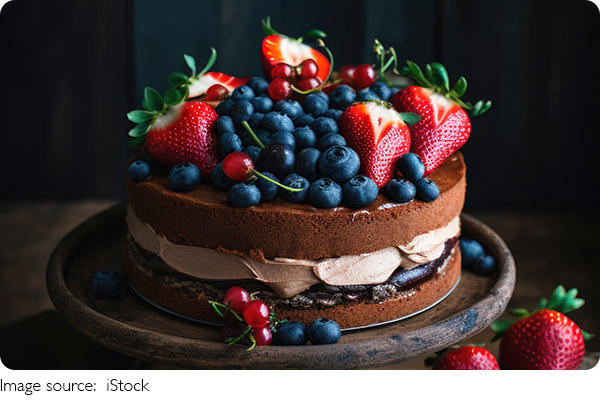
Fruits are an easy way to add sweetness naturally while packing vitamins, fiber, and antioxidants.
1. Berries – Blueberries, raspberries, and strawberries are low in sugar yet rich in flavor. Top a chia pudding or low-sugar cheesecake with them for freshness.
2. Dried Fruit in Moderation – Small amounts of raisins, dates, or apricots can enhance muffins or energy bites. Chop finely to prevent concentrated sugar bursts.
3. Citrus Zest – Lemon, lime, or orange zest adds bright, sweet notes without calories. Add zest to yogurt bowls, cakes, or glaze for a flavor punch.
Creative Presentation Tricks
Making desserts visually appealing adds to the indulgence without relying on sugar.
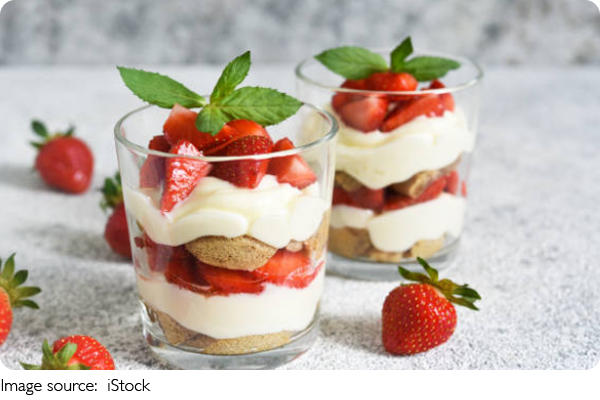
1. Layering – Alternate layers of Greek yogurt, fruit, and nuts in small glasses for mini parfaits. The visual contrast makes it feel special and luxurious.
2. Garnishing – Sprinkle toasted coconut, cacao nibs, or fresh mint leaves over desserts. Simple touches elevate presentation while keeping sugar low.
3. Frozen Treats – Blend bananas or berries and freeze in silicone molds for low-sugar popsicles. They're colorful, fun, and naturally sweet.
Batch Prep and Portion Control
Even healthy desserts can lead to excess sugar if portions aren't managed.
1. Mini Sizes – Use mini muffin tins or small dessert cups. Smaller portions keep indulgence in check while satisfying cravings.
2. Pre-Portioned Containers – Prepare individual servings of energy bites or pudding. It prevents accidental overindulgence and makes healthy choices convenient.
3. Freeze Extras – Freeze small batches of fruit-based desserts like banana pops or chia pudding. Thaw a portion as needed for a guilt-free treat that lasts longer.
Enjoying dessert doesn't have to mean a sugar overload. By choosing thoughtful sweeteners, swapping ingredients wisely, and presenting treats creatively, you can satisfy cravings and nourish your body at the same time. Next time the sweet tooth strikes, experiment with these ideas—you might find that low-sugar desserts can be just as exciting and indulgent as the sugary versions you grew up with.