Fruit Dessert Plates

Samir
| 29-04-2026
 · Cate team
A colorful fruit plate isn't just eye-catching—it's a simple way to enjoy a healthy dessert.
With a few design tricks and seasonal choices, you can turn everyday fruits into a treat that looks as good as it tastes.
1. Choose Your Fruits
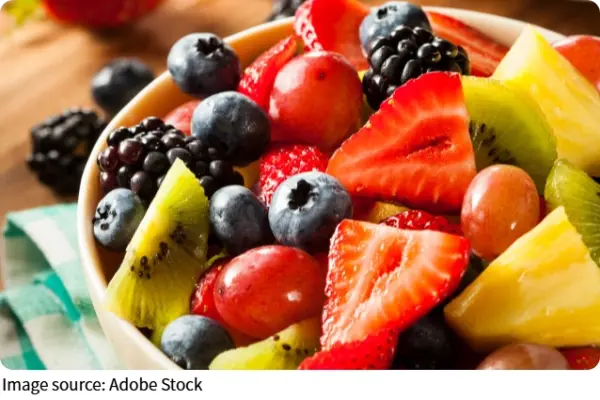
The base of any fruit plate is variety. Aim for a mix of colors, textures, and flavors to make the dish both appealing and balanced.
Examples:
- Strawberries, blueberries, and raspberries for vibrant red and blue hues
- Kiwi, green grapes, and honeydew for refreshing greens
- Mango, peaches, or orange segments for sunny yellow and orange tones
- Apple slices for crisp texture
Tip: Select fruits at peak ripeness to maximize sweetness and flavor. For example, mangoes should yield slightly to gentle pressure.
2. Prep Fruits Properly
Presentation starts with good prep. Uniform sizes and clean cuts make the plate neat and inviting.
Step-by-step:
Wash all fruits thoroughly.
Peel where necessary (kiwi, mango) and remove seeds if needed.
Slice or cube fruits into similar sizes.
Toss softer fruits like berries with a few drops of lemon juice to prevent browning.
Tip: Use a small paring tool or vegetable peeler to create decorative shapes like thin ribbons or spirals.

3. Arrange the Plate
The way you place fruits can elevate a simple dessert into a gourmet presentation.
Step-by-step:
Start by placing larger pieces, like melon slices, along the edges.
Cluster smaller fruits like berries in the center or in groups around the plate.
Alternate colors for visual contrast.
Leave some white space for a modern, elegant look.
Tip: Using a circular pattern or layering fruits in a fan shape gives a sense of depth and sophistication.
4. Add Simple Garnishes
Small touches can enhance flavor and appearance without extra sugar.
Examples:
- Fresh mint leaves scattered for a refreshing aroma
- Edible flowers for a delicate, colorful accent
- A light drizzle of honey or citrus glaze to add shine
Tip: Sprinkle seeds like chia or pomegranate for texture and subtle sweetness.
5. Include a Dip or Cream
A simple dip can turn your plate into an interactive dessert and add richness.
Options:
- Yogurt mixed with a touch of vanilla or honey
- Whipped coconut cream for a dairy-free alternative
- Nut butter thinned with a little citrus juice for dipping
Tip: Serve dips in a small bowl on the side so the fruits maintain their shape and freshness.
6. Serve and Store Properly
Fresh fruit looks best when served immediately, but careful storage can extend enjoyment.
Step-by-step:
Cover the plate with plastic wrap or store in an airtight container if preparing ahead.
Keep refrigerated for up to 4 hours.
Avoid pre-mixing fruits that release juice, like berries and melon, until just before serving.
Tip: For a casual gathering, assemble the fruit plate in individual small bowls for each guest—it's both hygienic and visually appealing.
7. Make it Seasonal
Using seasonal fruits not only enhances taste but also keeps costs reasonable and ingredients fresh.
Examples:
- Summer: berries, cherries, peaches, and melon
- Fall: grapes, pears, apples
- Winter: citrus fruits like oranges and kiwis
- Spring: strawberries, rhubarb, and early cherries
Tip: Check for seasonal availability at local markets to get the freshest produce.
8. Quick Tips for Visual Impact
Small details make a big difference in presentation.
Tips:
Use contrasting colors next to each other for visual pop.
Stack or layer fruits for height on the plate.
Wipe the edges of the plate before serving for a clean look.
Tip: A simple sprinkle of citrus zest can instantly brighten both taste and appearance.
With thoughtful selection, careful preparation, and creative plating, a fruit dessert plate becomes more than just a snack—it's a nourishing treat that delights the eyes as well as the palate. Taking a few extra minutes to arrange fruits and add subtle garnishes can make everyday fruits feel like a gourmet dessert.