Cooking Skills

Mei
| 09-05-2026
 · Cate team
Cooking at home doesn't have to feel ordinary. With a few clever tricks, simple ingredients can deliver the depth and balance of a private chef's meal.
The key lies in flavor layering, seasoning timing, and presentation touches that make even everyday dishes feel special. Here's how to bring that “chef's touch” into your kitchen.
1. Start with Fresh Ingredients
Freshness is the first step toward flavorful home cooking. Crisp vegetables, ripe fruits, and freshly harvested herbs elevate any dish instantly.
Tip: Use colorful vegetables like bell peppers or cherry tomatoes. They not only taste vibrant but make the dish visually appealing, creating that gourmet look.
2. Layer Flavors Gradually
Professional chefs build flavors step by step. Sauté aromatics first, then add main ingredients and seasoning gradually to develop depth.
Tip: When cooking vegetables, add a pinch of salt early to draw out moisture and enhance natural sweetness. This simple step creates richer flavor without extra sauces.
3. Master the Art of Seasoning
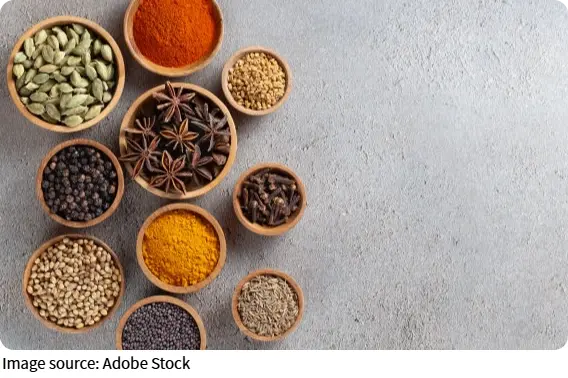
Seasoning is more than just salt and pepper. Herbs, citrus, and subtle spices can transform a dish from bland to memorable.
Tip: Toast spices lightly in a dry pan before adding them to a dish. This releases their essential oils and boosts aroma.
4. Use Simple Techniques to Impress
Techniques like searing, roasting, or caramelizing add texture and complexity. Even a simple stir-fry can taste gourmet if ingredients are handled properly.
Tip: Sear vegetables over medium-high heat without overcrowding the pan. This prevents steaming and ensures a light, golden crust.
5. Incorporate Umami Naturally
Umami adds richness and depth. Ingredients like mushrooms, tomatoes, or soy-based alternatives can create a savory backbone.
Tip: Add mushrooms early to release their natural juices, then reduce slightly to concentrate flavor. This enhances the dish without artificial additives.
6. Balance Sweet, Sour, and Savory
A harmonious dish balances multiple taste notes. Sweetness from vegetables or a touch of honey can complement acidic or savory elements.
Tip: Finish a dish with a squeeze of lemon or a drizzle of balsamic vinegar. This brightens flavors and elevates the overall taste.
7. Pay Attention to Texture
Texture differentiates everyday meals from restaurant-style dishes. Crunchy, soft, and creamy elements in the same dish engage the palate.
Tip: Toast nuts or seeds and sprinkle on top for crunch, while keeping the main components tender and juicy.

8. Presentation Makes a Difference
Visual appeal enhances perceived taste. Plating ingredients neatly or adding a pop of color makes home-cooked meals feel refined.
Tip: Use fresh herbs, edible flowers, or microgreens for garnish. Small touches create a “wow” factor without complicating the recipe.
9. Cook with Confidence
Private chef flair comes from trusting your instincts. Taste, adjust, and learn to make slight changes to suit your preferences.
Tip: Keep a tasting spoon handy. Adjust seasoning gradually, and don't be afraid to experiment with small amounts of new ingredients.
10. Plan for Efficiency
Efficient preparation saves time and reduces stress, allowing you to focus on flavor and creativity. Pre-chop ingredients or prep sauces ahead for smoother cooking.
Tip: Store prepped vegetables in airtight containers in the fridge. This lets you assemble dishes quickly, giving you more freedom to focus on flavor.
With thoughtful preparation, simple ingredients become dishes that feel curated by a private chef. The magic is in layering flavors, balancing tastes, and paying attention to detail. Even everyday meals can feel extraordinary, turning your home kitchen into a space for creativity and culinary delight.