Nasi Padang

Amara
| 27-05-2026
 · Cate team
The first time you see Nasi Padang, it doesn’t look like a single dish—it looks like a table full of different foods.
Small bowls, rich sauces, and carefully prepared sides are gathered around a simple plate of rice. It’s a meal meant to be explored slowly, one bite at a time, with each flavor telling its own story.
The Rice Foundation
At the center of Nasi Padang is steamed white rice. It may look simple, but it plays an important role by balancing strong, rich flavors from the surrounding dishes.
To prepare it well:
• Rinse the rice until the water runs clearer
• Steam or cook until fluffy and separate
• Let it rest briefly so the texture settles
The rice acts like a neutral canvas, ready to carry bold flavors without losing its own softness.
Signature Side Dishes
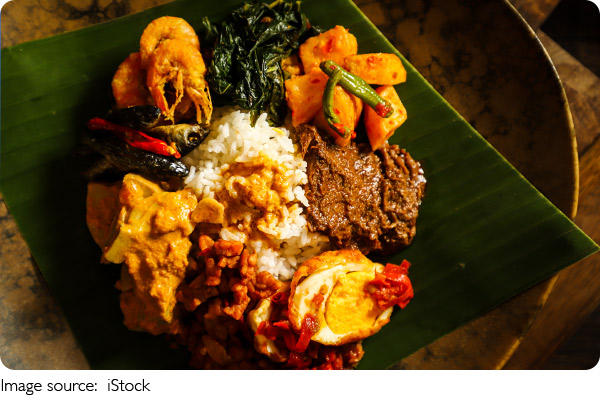
Nasi Padang is known for variety. Each side dish is cooked separately, then brought together for serving.
Common elements include:
• Slow-simmered meat in rich spices
• Fried or grilled chicken with crisp edges
• Braised eggs soaked in savory sauce
• Tofu or tempeh with a firm, satisfying bite
• Long-cooked vegetables absorbing aromatic seasoning
Each dish brings a different texture, from tender to crisp, making every spoonful slightly different.
Spices That Define the Dish
What truly shapes Nasi Padang is its spice base. The flavors are layered, deep, and slowly built over time.
Typical spice elements include:
• Chili for controlled heat
• Garlic and shallots for aroma
• Ginger and galangal for warmth
• Spice for earthiness and color
• Coconut-based sauces in some variations
These spices are usually cooked slowly so they blend into a rich, unified flavor profile rather than standing alone.
Balancing Heat and Richness
One of the most interesting parts of Nasi Padang is how it balances intensity. Some dishes are spicy, others are mild, but they are designed to be eaten together.
A few helpful ideas when assembling the plate:
• Start with a base of rice in the center
• Add milder items first to create balance
• Place stronger, spicier dishes in smaller portions
• Use sauce sparingly to connect flavors
This layering approach keeps the meal exciting without overwhelming the palate.
How It Comes Together
There's no strict single way to assemble Nasi Padang. It's more about personal selection. You choose the dishes, arrange them around the rice, and create your own combination of flavors in every bite.
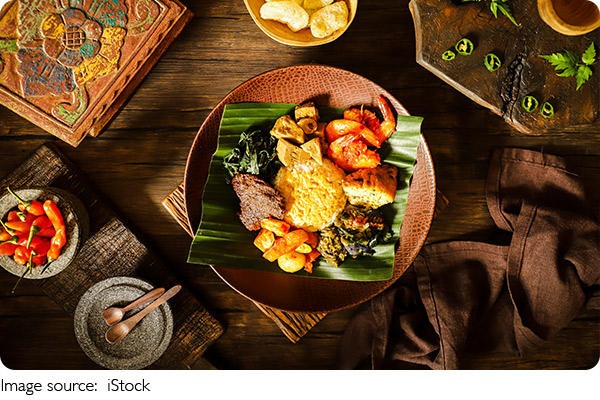
In the end, Nasi Padang is not just rice with side dishes. It is about variety, balance, and the joy of combining bold flavors into one satisfying meal.