Best Coffee Cup

Darius
| 27-04-2026
 · Cate team
Most people spend considerable time choosing their coffee — the origin, the roast level, the brewing method — and then pour it into whatever cup is clean and within reach.
It is a completely understandable habit, and it is also quietly undermining every careful decision that came before it.
The cup material affects how quickly the coffee cools, how the rim feels against the lip, whether the material adds any flavor of its own, and even how the aroma reaches you before the first sip.
None of these effects are dramatic in isolation. Together, they add up to a meaningfully different experience, and understanding them takes about five minutes.
Here is a straightforward breakdown of the most common coffee cup materials and what each one actually does.
Ceramic: The Standard That Earns Its Place
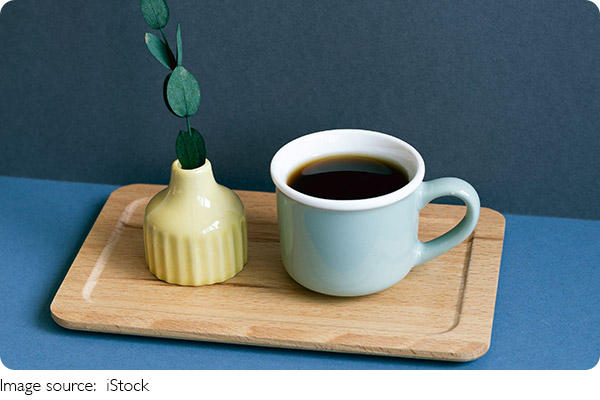
Ceramic is the default coffee cup material for most of the world, and the reason is simple — it works very well across a wide range of conditions. A glazed ceramic cup is non-porous, which means it does not absorb coffee oils or flavors between uses. It is reasonably thick-walled, which provides decent heat retention compared to glass or thin porcelain. And it is durable enough for daily use without requiring careful handling.
The thickness of the ceramic wall is worth paying attention to when choosing. Thicker walls retain heat longer but deliver the coffee across a wider, blunter rim that some people find less satisfying. Thinner walls cool faster but the rim sits against the lip more precisely and the coffee reaches the palate more cleanly. Neither is objectively better — it depends entirely on whether you drink your coffee quickly or slowly.
Stoneware, the heavier and denser cousin of regular ceramic, retains heat exceptionally well and gives a substantial, grounded feeling in the hand that many coffee drinkers find genuinely satisfying. It is the cup that stays warm through a slow weekend morning in a way that lighter materials cannot match.
Porcelain: Clean Flavor, Refined Experience
Porcelain cups are what serious espresso culture defaults to for good reason. The material is completely non-reactive, which means it adds nothing to the flavor of the coffee and takes nothing away. The walls are typically thinner than standard ceramic, which delivers the espresso across a finer rim and allows the temperature and texture of the coffee to be perceived more directly.
Preheating a porcelain espresso cup before pulling the shot is standard practice in any café that takes its coffee seriously. A cold porcelain cup drops the temperature of an espresso by several degrees in the first few seconds, which changes the extraction character perceptibly. Running hot water through the cup for thirty seconds before use makes a genuine difference.
The limitation is heat retention. A porcelain cup cools faster than stoneware or double-walled alternatives, which makes it best suited to coffee that is consumed promptly rather than nursed over an extended period.
Double-Walled Glass: The Most Honest Material
Double-walled glass cups have become genuinely popular in specialty coffee circles, and the reasons are practical rather than aesthetic, though the aesthetic is undeniably appealing.
The inner glass wall is completely non-porous and non-reactive, delivering the coffee's flavor without any material interference whatsoever. The double-wall construction traps an insulating layer of air between the inner and outer surfaces, which keeps the coffee warm significantly longer than single-wall glass or thin porcelain while keeping the exterior cool enough to hold comfortably without a handle.
The visual transparency is a genuine advantage for coffee specifically. The color of the espresso, the texture of a latte, the clarity of a pour-over — all of it is visible as you drink, which adds an additional sensory dimension that opaque cups cannot provide.
The main limitation is fragility. Double-walled glass requires more careful handling than ceramic or stoneware and does not respond well to sudden temperature changes from very cold to very hot.
Stainless Steel: Practical but Compromised
Stainless steel cups and travel mugs retain heat the longest of any common material and are essentially indestructible in daily use. For coffee enjoyed on the move, in a car, on a commute, or anywhere that breakage is a real concern, stainless steel is the obvious practical answer.
The tradeoff is flavor. Stainless steel can impart a faint metallic quality to coffee, particularly to lighter roasts where the delicate flavor compounds are more perceptible. This effect is more pronounced in lower-quality steel and diminishes significantly in high-grade stainless. Many people never notice it at all, particularly with darker roasts where the stronger flavor compounds dominate. But for anyone drinking specialty coffee and wanting to taste every nuance of the roast, stainless steel is not the ideal vessel.
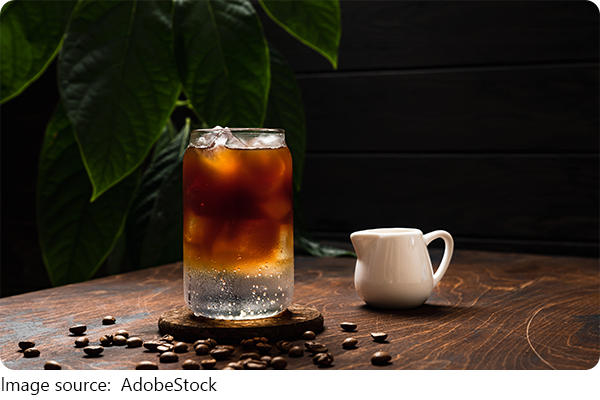
Choosing a coffee cup material comes down to understanding one trade-off: heat retention versus flavor neutrality. Stoneware keeps your coffee warmest but is the least refined. Porcelain is the most flavor-neutral but cools fastest. Double-walled glass balances both better than either single-wall option. Once you know what matters most to the way you actually drink coffee, the decision becomes straightforward and the cup you choose starts working for the coffee rather than against it.