Korean Sweet Potato

Kai
| 27-04-2026
 · Cate team
Sometimes the simplest ingredients inspire the most curiosity in the kitchen. A humble sweet potato, for example, can turn into countless comforting dishes with just a little creativity.
Roasted whole, mashed into desserts, or sliced into crispy bites, this versatile root has earned a permanent place in many home kitchens.
Recently, however, a new sweet potato trick has taken the internet by storm. The promise is surprisingly bold: by adding one unusual step during roasting, you can transform an ordinary sweet potato into something incredibly creamy and custard-like. The technique first gained traction in Korea, where roasted sweet potatoes are commonly sold in convenience stores as a warm handheld snack.
Curious whether the viral method truly delivers the silky texture people rave about online, I decided to test it myself and compare the results with the classic way of baking sweet potatoes.
The Viral Korean Sweet Potato Method
The internet loves a simple cooking hack, especially when it involves everyday ingredients. In this case, the trick centers around adding an ice water bath during the roasting process.
The technique quickly spread across social media because of how unusual it sounds. Taking a hot sweet potato out of the oven and plunging it into ice water feels almost counterintuitive. Yet many creators claim this step produces a smoother, creamier interior.
The inspiration behind the method is the famous roasted sweet potatoes often sold in Korean convenience stores. These potatoes are known for their dense, tender texture and rich sweetness, making them an especially comforting snack during cooler days.
How the Method Works
Despite the attention it has received online, the process itself is fairly simple and involves just a few steps.
Start by cutting a small slice from both ends of the sweet potato so that a little of the flesh is exposed.
Roast the sweet potato in the oven at 375°F for about twenty minutes.
Remove it from the oven and place it in an ice water bath for roughly two minutes.
Return the sweet potato to the oven and roast it again at 425°F until fully cooked.
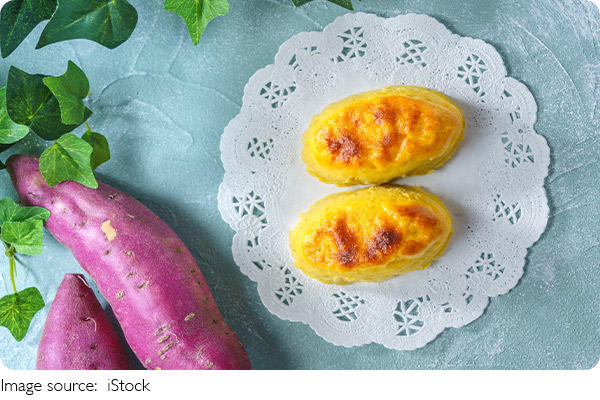
Most videos demonstrating the method use sweet potatoes with purple skin and pale flesh. These are often labeled as Korean or Japanese sweet potatoes. Compared with the bright orange varieties found in many grocery stores, these types tend to have a drier texture and a slightly nutty flavor.
Testing the Trick at Home
To see whether the viral technique truly made a difference, I tested it using two different kinds of sweet potatoes.
One was a Korean sweet potato, while the other was a common orange variety known for its naturally moist and sweet interior. For each type, I prepared two versions: one using the ice bath technique and another using the standard roasting method.
In total, four potatoes went into the oven, allowing for a clear comparison between the viral approach and the traditional one.
The results, however, were not as dramatic as many viral videos suggest. The sweet potatoes that went through the ice bath did not look or taste significantly different from those roasted normally. Their interiors were soft and flavorful, but the texture remained very similar across both methods.
If the potatoes had not been labeled beforehand, it would have been difficult to tell which one used the ice bath step.
The One Real Advantage
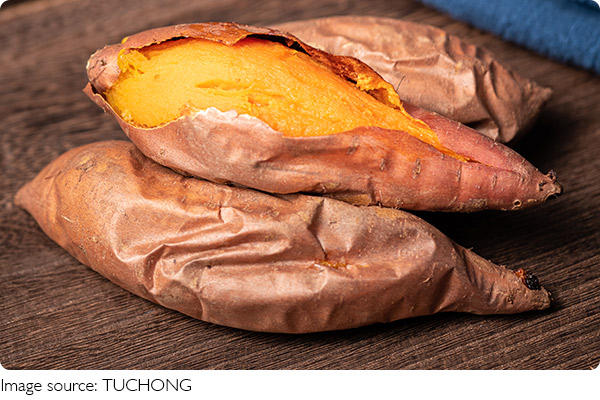
Although the texture difference was subtle, the ice bath method did provide one noticeable benefit. The skins of the sweet potatoes became extremely easy to remove after roasting.
Instead of sticking tightly to the flesh, the skin could be peeled off almost instantly. This small detail might seem minor, but it can make a big difference if you plan to use roasted sweet potatoes for pies, casseroles, or other recipes that require peeled potatoes.
In those situations, saving time during preparation can be surprisingly helpful.
The Food Science Behind the Trick
From a culinary science perspective, there is some logic behind the viral technique.
As sweet potatoes roast, the heat gradually breaks down their starches. This process softens the structure of the potato and contributes to the creamy texture that people associate with well-cooked sweet potatoes.
Placing the potato in ice water temporarily interrupts that process. When starches heat, cool, and then heat again, their structure can shift slightly. This change may help the interior settle before the second roasting phase finishes cooking it.
However, food experts point out that the type of sweet potato used likely plays a much bigger role in the final texture. Korean and Japanese varieties contain more starch and less moisture than many orange sweet potatoes. Because of this, they naturally roast into a dense, creamy consistency that can resemble custard.
In other words, if you start with the right variety of sweet potato, you are already halfway to achieving that rich texture.
In the end, the viral ice bath method may not completely transform the way sweet potatoes taste, but it is still an interesting experiment for curious cooks. At the very least, it offers a new way to explore a familiar ingredient—and it might even make peeling roasted sweet potatoes a little easier the next time you cook them.