Mastering Motorcycle Safety

Nora
| 15-07-2026
 · Automobile team
Motorcycle riding provides a unique experience that combines freedom, control, and connection with the road. However, safe riding requires more than simply knowing how to operate a motorcycle.
Proper preparation, awareness, and responsible habits help riders improve their confidence and maintain better control in different situations.
Understanding motorcycle safety involves many areas, including riding techniques, equipment choices, and regular vehicle care. By developing good habits and staying aware of surroundings, riders can enjoy smoother and more controlled journeys.
Understanding Motorcycle Safety Basics
Safety begins before the ride starts. A quick inspection of the motorcycle can help identify potential issues that may affect performance or control.
Checking important components such as tires, brakes, lights, and controls helps ensure the motorcycle is ready for the road. Riders should also adjust mirrors, check riding conditions, and make sure they are comfortable before starting their journey.
Preparation creates a stronger foundation for safer riding and allows riders to focus better while traveling.
Developing Smooth Riding Techniques
Riding techniques play an important role in motorcycle safety. Smooth control of acceleration, braking, and steering helps maintain stability and improves overall handling.
Gradual acceleration reduces sudden movements, while controlled braking allows riders to respond more effectively when conditions change. Maintaining a suitable speed and keeping enough distance from other vehicles also provides more time to react.
A balanced riding style helps create a more predictable and comfortable experience for both the rider and others on the road.
Choosing Proper Protective Equipment
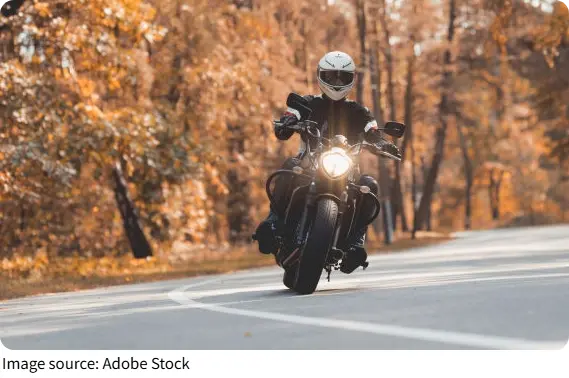
Protective equipment is an important part of responsible motorcycle riding. Suitable gear helps improve comfort and provides additional protection during everyday journeys.
A properly fitted helmet, durable riding clothing, gloves, and appropriate footwear can support safer riding practices. Riders should choose equipment that matches their riding needs and ensure it remains in good condition.
Comfortable and reliable equipment also helps riders stay focused during longer trips.
Maintaining Motorcycle Condition
A well-maintained motorcycle contributes to safer performance. Regular care helps ensure that important systems continue working properly.
Tire condition affects grip and stability, while brakes, lights, and controls are essential for safe operation. Keeping these components in good condition allows riders to maintain better control and respond more effectively.
Following a regular maintenance routine also helps identify small issues before they become larger problems.
Improving Road Awareness
Awareness is one of the most important parts of motorcycle safety. Riders should continuously observe their surroundings and remain prepared for changing road conditions.
Paying attention to traffic movement, road surfaces, weather conditions, and nearby vehicles helps riders make better decisions. Good awareness also encourages smoother reactions instead of sudden responses.
A focused and attentive mindset can greatly improve riding confidence and control.
Building Safe Riding Habits
Safety improves through consistent habits developed over time. Responsible riders continue learning, practice good techniques, and adapt their riding style to different environments.
Avoiding distractions, staying focused, and respecting road conditions help create safer experiences. Even experienced riders benefit from regularly reviewing their skills and improving their awareness.
Small improvements in daily riding habits can make every journey more comfortable and controlled.
Creating Safer Motorcycle Journeys
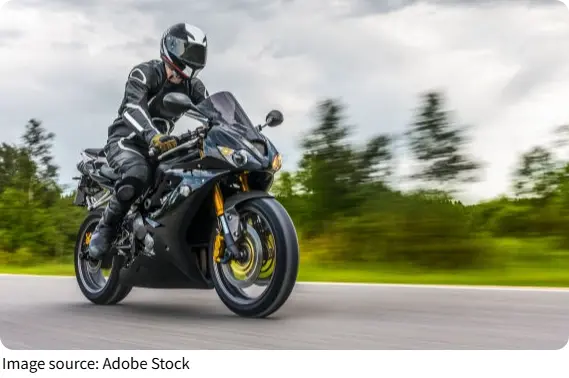
Motorcycle safety depends on preparation, awareness, proper equipment, and responsible riding habits. By improving riding techniques, maintaining the motorcycle, and staying alert on the road, riders can enjoy a more confident and balanced experience.
Safe riding is not only about avoiding problems; it is about creating better control, greater confidence, and more enjoyable journeys every time.