Motorcycle Safety Guide

Antonio
| 15-07-2026
 · Automobile team
Motorcycle riding offers a unique combination of freedom, control, and connection with the road.
However, enjoying the experience requires more than knowing how to operate a motorcycle. Safe riding depends on preparation, awareness, and responsible habits that help riders handle different road conditions with confidence.
As traffic environments become more complex, motorcycle safety has become an important part of responsible riding. Understanding proper techniques, maintaining equipment, and developing strong awareness can create a more enjoyable and safer riding experience.
The Importance of Rider Awareness
A motorcycle rider must constantly observe the surrounding environment. Unlike larger vehicles, motorcycles provide less physical protection, making awareness and quick decision-making essential skills.
Reading Road Conditions
Riders should pay attention to changing road surfaces, weather conditions, traffic movement, and potential hazards. Wet roads, loose gravel, uneven surfaces, and unexpected obstacles can affect motorcycle control.
Maintaining Safe Distance
Keeping enough space between vehicles gives riders more time to react. A safe following distance helps prevent sudden braking situations and allows better control during unexpected events.
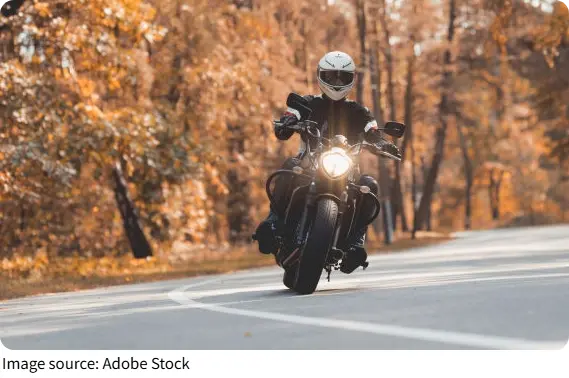
Essential Riding Techniques for Better Control
Good riding skills help improve stability and confidence in different situations. Practicing fundamental techniques allows riders to respond more effectively on the road.
Smooth Acceleration and Braking
Applying throttle and brakes smoothly helps maintain balance and reduces sudden movements. Proper braking techniques are especially important when stopping quickly or riding in challenging conditions.
Cornering with Confidence
Taking turns requires careful control of speed, body position, and steering. Entering corners at an appropriate speed and maintaining a steady approach can improve stability and comfort.
The Role of Motorcycle Maintenance
A well-maintained motorcycle is an important part of safe riding. Regular inspections help identify potential problems before they affect performance.
Checking Important Components
Tires, brakes, lights, and fluid levels should be checked regularly. Proper tire condition is especially important because tires directly affect grip, handling, and braking performance.
Following Maintenance Schedules
Routine maintenance helps keep motorcycle systems working properly. Regular care can improve reliability and support safer journeys.
Protective Equipment and Smart Riding Habits
Protective equipment provides important support when unexpected situations occur. Wearing suitable gear helps riders improve safety and comfort.
Choosing Proper Riding Gear
A quality helmet, protective clothing, gloves, and suitable footwear can help provide protection during accidents. Gear should fit properly and be appropriate for different riding environments.
Avoiding Distractions
Focused attention is essential while riding. Avoiding unnecessary distractions allows riders to react quickly and make safer decisions.
Building a Safer Motorcycle Culture
Motorcycle safety is not only about individual riders but also about creating better habits within the riding community. Respectful behavior and responsible decisions contribute to safer roads for everyone.
Sharing the Road Responsibly
Motorcyclists should remain aware of other road users and communicate their intentions clearly. Defensive riding helps prevent misunderstandings with surrounding vehicles.
Continuous Skill Improvement
Even experienced riders can benefit from improving their techniques. Practicing advanced skills and learning from different riding situations can increase confidence and control.
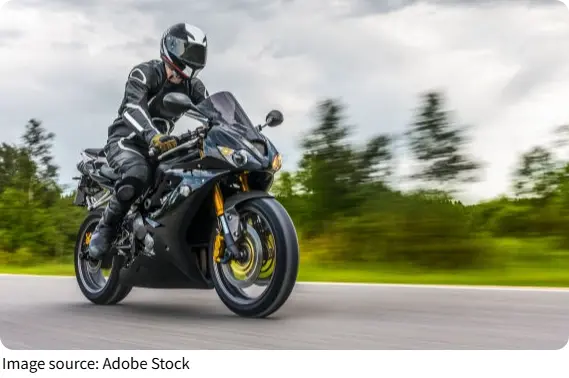
Safer Roads Begin with Smart Riding
Motorcycle safety is built through preparation, awareness, and responsible actions. By improving riding skills, maintaining motorcycles properly, and using protective equipment, riders can enjoy the freedom of motorcycling while reducing unnecessary risks. Every safe journey begins with thoughtful decisions and a commitment to better riding habits.