Secrets of Sports Car Speed

Elena Rossi
| 17-07-2026
 · Automobile team
Have you ever watched a sports car speed past and wondered why it can move so quickly? It is not just about a powerful engine.
Every part of a sports car is carefully designed to improve speed, control, and driving performance.
From its lightweight body to its advanced transmission, many factors work together to create an amazing driving machine. Let's explore the secrets that help sports cars reach such impressive speeds.
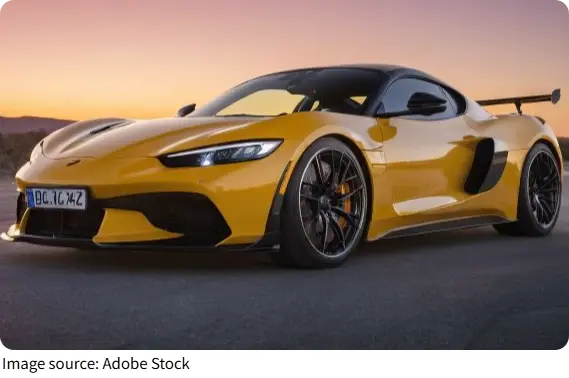
Powerful Engines Create Strong Acceleration
One of the biggest reasons sports cars are fast is their engines. Compared with ordinary vehicles, sports cars usually have engines that produce much more power. More power means the car can accelerate more quickly and reach higher speeds in a shorter time.
When we press the accelerator in a sports car, the engine delivers energy rapidly to the wheels. This strong acceleration is why sports cars can move from a standstill to high speed within seconds. Engineers spend years improving engine performance to make every bit of energy count.
The engine is like the heart of the car. A stronger heart can pump more energy, allowing the vehicle to perform at a much higher level.
Lightweight Design Makes a Huge Difference
Speed is not only about power. Weight also plays a very important role. The lighter a vehicle is, the less effort the engine needs to move it.
Many sports cars are built using advanced lightweight materials such as carbon fiber and aluminum. These materials are strong but much lighter than traditional metal parts. Some carbon fiber frames are so light that only a few people can lift them, yet they remain incredibly strong.
Sports cars also usually have only two seats. Fewer seats mean less material and lower overall weight. Reducing weight improves acceleration, handling, and fuel efficiency at the same time. When we compare two cars with similar power, the lighter one usually feels quicker and more responsive.
Streamlined Shapes Reduce Air Resistance
Have you noticed that sports cars often sit close to the ground and have smooth, curved shapes? This design is not only beautiful. It also helps the car move through the air more easily. As a vehicle goes faster, air resistance becomes stronger. A poorly designed shape creates more drag and limits top speed. Sports cars are carefully shaped to cut through the air with less resistance.
The front of many sports cars is low, while the rear is slightly higher. This design allows air to flow smoothly around the vehicle, reducing drag and helping it maintain high speeds. Every curve and every angle has a purpose. Even small improvements in aerodynamics can make a noticeable difference at high speed.
Downforce Keeps the Car Stable
Driving very fast creates another challenge: stability. At high speed, some vehicles may feel light and less connected to the road. Engineers solve this problem by creating downforce. Downforce is a force that gently pushes the vehicle toward the ground as it moves faster.
Many sports cars have specially designed spoilers, diffusers, and air channels that help create this effect. More downforce means better grip and improved control when driving at high speed or taking corners. Without enough stability, a fast car would become difficult to control. Speed and stability always need to work together.
Fast Transmissions Deliver Power Efficiently
Many people pay attention to the engine but forget about the transmission. The transmission controls how power is sent from the engine to the wheels. A fast and intelligent transmission can make a huge difference in acceleration.
Modern sports cars often use advanced gearboxes that can change gears in a fraction of a second. During overtaking or quick acceleration, the transmission can rapidly shift to a lower gear, giving the engine more power when it is needed most.
This quick response allows sports cars to feel lively and exciting. Even with a powerful engine, poor gear changes would reduce performance significantly.
Strong Braking Systems Improve Performance
Surprisingly, speed is not only about going faster. It is also about slowing down efficiently. Professional racing drivers rely heavily on powerful braking systems. Before entering a corner, they need to reduce speed quickly and precisely. The sooner they can slow down, the longer they can keep the car moving at high speed before braking.
Sports cars often use large brake discs and advanced braking materials that can handle high temperatures and repeated use. A strong braking system gives drivers confidence. It allows them to control the vehicle better and use its full performance safely.
Every Part Works Together
The incredible speed of sports cars does not come from one single feature. It is the result of powerful engines, lightweight construction, aerodynamic design, excellent stability, fast transmissions, and reliable braking systems all working together.
Engineers carefully balance these elements to create a machine that feels exciting, responsive, and enjoyable to drive.
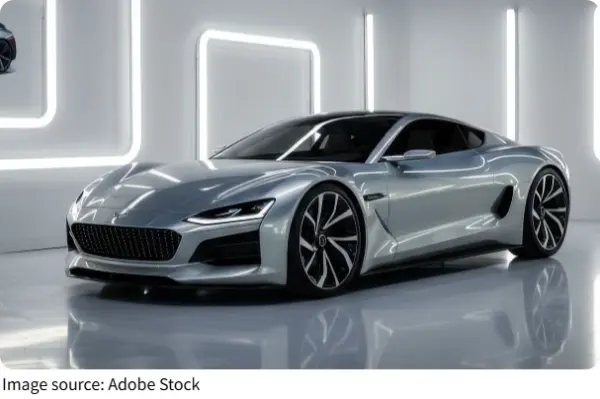
Lykkers, Speed in a sports car isn't magic—it's the result of thousands of engineering decisions working in perfect harmony. From the engine that roars to life, to the lightweight chassis that slips through air, and the brakes that inspire confidence, every component plays a vital role.
Understanding these elements transforms our appreciation from simple admiration to genuine respect for the craftsmanship involved. Next time you hear that engine note, remember: it's not just power—it's poetry in motion, carefully orchestrated by brilliant minds.