Costa Rica's Secret Spots!

Declan Kennedy
| 29-07-2026
 · Travel team
Hi Lykkers! Costa Rica's Caribbean coast offers a refreshing alternative to the country's busier destinations.
Stretching along the southeastern shoreline, this tropical region is known for palm-fringed beaches, lush rainforests, colorful wildlife, and vibrant Afro-Caribbean traditions.
While popular places like Puerto Viejo attract many visitors, nearby coastal villages and nature reserves still provide peaceful escapes where nature remains the main attraction. From quiet beaches to protected forests, this region rewards travelers who enjoy slow adventures, scenic landscapes, and authentic local culture.
How to Reach the Caribbean Coast
Most international travelers arrive at Juan Santamaría International Airport in San José. From the capital, the Caribbean coast is approximately 135 miles (220 km) away. Driving is one of the most convenient options. Renting a car allows flexibility to stop at scenic viewpoints along Route 32 before reaching Puerto Viejo. The journey usually takes about 4.5 to 5.5 hours, depending on traffic.
Public buses also connect San José with Puerto Viejo daily. A one-way ticket generally costs between US $12 and US $16, and the trip takes around five to six hours. Shuttle services are another comfortable alternative, with shared rides typically priced between US $55 and US $70 per person. Once in Puerto Viejo, bicycles, taxis, and rental scooters make it easy to explore nearby beaches and villages.
Costa Rica
1. Punta Uva, A Peaceful Caribbean Paradise
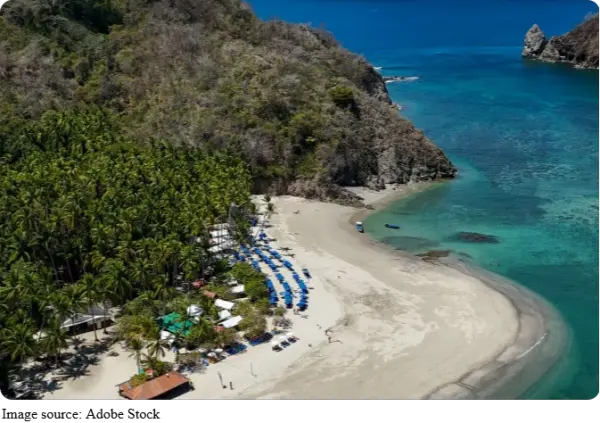
Just a short drive south of Puerto Viejo, Punta Uva is often considered one of Costa Rica's most beautiful beaches. Soft golden sand, calm turquoise water, and dense tropical forest create a peaceful setting ideal for relaxation. Unlike larger beach destinations, Punta Uva remains uncrowded throughout much of the year.
Gentle waves make swimming enjoyable during calm conditions, while kayaking and paddleboarding are popular activities along the sheltered coastline.
There is no entrance fee to visit Punta Uva Beach, making it an excellent destination for travelers seeking natural beauty without additional costs. The best time to visit is from February through April and again during September and October, when rainfall is typically lower on Costa Rica's Caribbean coast and sunny days are more common.
2. Playa Chiquita, A Quiet Escape Close to Nature
Only a few minutes from Punta Uva, Playa Chiquita offers a more secluded atmosphere surrounded by tropical vegetation and rocky coastal scenery. During low tide, shallow natural pools appear between the rocks, creating ideal spots for observing small marine creatures. The beach is also a favorite for peaceful walks, photography, and enjoying ocean views without large crowds.
There is no admission fee, and visitors can spend an entire day exploring the shoreline. Comfortable walking shoes are recommended because some sections include uneven rocks and forest paths. Morning visits often provide calmer weather and fewer visitors, making the experience even more enjoyable.
3. Manzanillo Wildlife Refuge, Where Forest Meets the Sea
Continuing south leads to the charming village of Manzanillo and the Gandoca-Manzanillo Wildlife Refuge, one of the region's most important protected areas. The refuge protects tropical rainforest, mangroves, coral reefs, and coastal habitats where visitors may spot monkeys, sloths, colorful birds, butterflies, and reptiles. Several hiking trails pass through the forest before reaching scenic beaches with impressive ocean views.
Access to many public areas of the refuge is free, although guided nature walks generally cost between US $25 and US $50 per person, depending on the tour length and group size. Local guides provide valuable insight into the area's wildlife and ecosystems while helping visitors identify species that are easy to overlook. Early morning is the best time for wildlife observation because many animals are most active before midday temperatures rise.
4. Experience the Local Caribbean Culture
The Caribbean coast offers much more than beautiful beaches. Puerto Viejo and neighboring communities are famous for their Afro-Caribbean heritage, reflected in everyday life through music, cuisine, colorful architecture, and welcoming hospitality.
Small family-owned cafés, artisan shops, and local markets allow visitors to experience the area's unique character. Traditional Caribbean dishes often feature fresh seafood, coconut milk, rice, tropical fruits, and locally grown spices.
Where to Stay for Easy Access
Choosing accommodation near Punta Uva makes exploring the southern Caribbean coast much easier. Staying close to the beaches reduces travel time while allowing visitors to enjoy peaceful surroundings after a day of sightseeing. Boutique properties in the area often feature tropical gardens, spacious suites, swimming pools, and direct access to nearby beaches.
Many accommodations also organize activities such as snorkeling trips, wildlife tours, kayaking, bicycle rentals, and guided rainforest walks.
Helpful Tips for a Smooth Visit
Packing lightweight clothing, comfortable sandals, insect repellent, sunscreen, and a reusable water bottle helps prepare for the tropical climate. Afternoon showers can occur throughout the year, so carrying a light rain jacket is also useful. Respecting wildlife is essential. Observe animals from a safe distance, avoid feeding them, and remain on marked trails within protected areas.
Supporting locally owned restaurants, tour operators, and small businesses also helps strengthen the local economy while promoting sustainable tourism.
Costa Rica's Caribbean coast remains one of the country's most rewarding destinations for travelers seeking tranquility, natural beauty, and authentic cultural experiences. Punta Uva, Playa Chiquita, and Manzanillo each offer something unique, from calm beaches and rainforest adventures to rich local traditions.
With affordable access to public beaches, diverse wildlife, welcoming communities, and stunning coastal scenery, this region encourages visitors to slow down and appreciate the simple pleasures of tropical travel. Rather than rushing between attractions, the Caribbean coast invites every traveler to embrace nature, explore at a relaxed pace, and create unforgettable memories.