The Inline-4 Catch!

Kai
| 21-08-2026
 · Automobile team
Hi there, readers! Inline-4 engines are known for their smooth power delivery and strong performance. However, their design can also bring several practical disadvantages for everyday riders.
These drawbacks may affect weight, maintenance, fuel use, and overall riding experience. Let’s look at five reasons an inline-4 may not suit every rider.
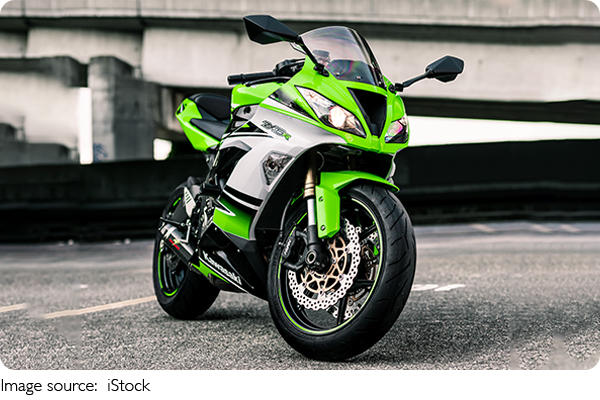
1. The Engine Can Be Physically Wide
An inline-4 places four cylinders across the width of the motorcycle rather than arranging them in multiple banks. This can require more lateral space inside the chassis. The added width can affect how the engine, intake system, exhaust components, cooling system, and frame are packaged.
It can also influence the shape and width of surrounding components. This does not make every inline-4 motorcycle difficult to handle. Motorcycle design, chassis dimensions, mass distribution, and overall ergonomics determine the actual riding characteristics.
2. Packaging Can Be More Complicated
A four-cylinder inline layout requires space for four cylinders, four combustion chambers, and the associated intake and exhaust components. Designers therefore have to balance engine placement with other motorcycle systems. The available space around the engine can affect access to service components.
Some maintenance operations may require more disassembly than comparable work on an engine with a different cylinder arrangement. The exact service difficulty depends on the motorcycle's design rather than the cylinder layout alone.
3. More Components Can Increase Maintenance Requirements
An inline-4 has four cylinders, which means several systems contain components associated with each cylinder. These can include spark plugs, fuel-injection components, intake passages, and valve-train components. A service procedure involving these parts can require work across all four cylinders.
Valve-clearance inspection, for example, involves checking the specified valves rather than treating the engine as a single-cylinder unit. Maintenance intervals and procedures vary by motorcycle. The owner's manual should be used to determine the required inspection schedule and adjustment procedure.
4. Heat Management Requires Careful Design
Four cylinders operating in a compact motorcycle engine compartment generate substantial heat that must be managed by the cooling system and surrounding airflow. The exhaust system and engine components also contribute to the thermal load around the motorcycle. Engine placement, radiator capacity, airflow, and heat shielding all affect how that heat is controlled.
Riders may notice different heat levels depending on riding conditions and motorcycle design. Slow traffic, high ambient temperatures, and limited airflow can place different demands on the cooling system than steady riding at higher speeds.
5. The Layout Can Add Weight and Complexity
An inline-4 requires four cylinders and their associated engine components. Compared with simpler engine configurations, this can result in a larger number of parts and a more complex engine assembly. Engine weight affects the motorcycle's total mass, while engine dimensions influence how manufacturers position the power unit within the chassis.
The resulting handling characteristics depend on the complete motorcycle rather than the engine configuration alone. This disadvantage is therefore most relevant when comparing motorcycles with similar purposes, where engine size, mass, chassis design, and packaging can meaningfully affect the final result.
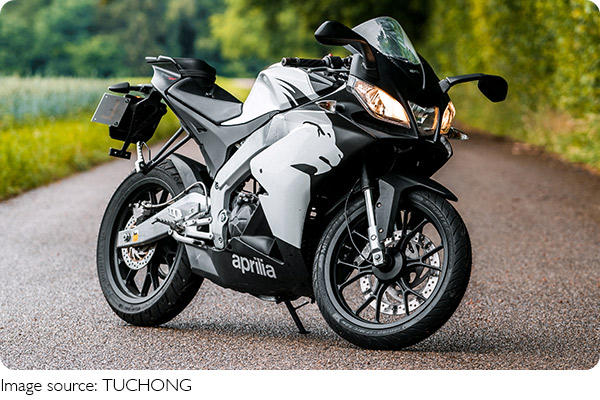
The inline-4 layout provides a specific combination of smooth operation, cylinder count, and packaging requirements, but it also involves compromises. Riders comparing motorcycles should consider engine dimensions, service access, cooling design, total weight, and intended use rather than judging the cylinder layout by itself.