Italy's Speed Secret

Caleb Ryan
| 21-08-2026
 · Automobile team
Hi, and thanks for joining us. We will examine the design and performance features of Italian supercars to help you understand their engineering approach. Italian supercar manufacturers utilize varied engine configurations to achieve high power outputs and meet emission regulations. Ferrari produces multiple powertrain types, including traditional internal combustion engines and plug-in hybrid electric vehicles.
According to official specifications, the 2024 Ferrari 296 GTB uses a 3.0-liter twin-turbocharged V6 paired with a rear-mounted electric motor to generate 819 horsepower. This rear-wheel-drive vehicle accelerates from zero to 62 miles per hour in 2.9 seconds. The electric motor provides a short electric-only driving range for city travel.
The flagship 2024 Ferrari SF90 Stradale features a 4.0-liter twin-turbocharged V8 combined with three electric motors. Two electric motors drive the front wheels, while the third sits between the engine and the transmission. This all-wheel-drive system produces 986 horsepower and achieves a zero to 62 miles per hour time of 2.5 seconds. Other Italian brands, including Lamborghini and Pagani, continue to offer naturally aspirated or twin-turbocharged V12 engines for buyers who prioritize high-displacement power delivery.
Exterior Styling and Aerodynamics
Italian supercars employ distinct design methods compared to their German or British competitors. German manufacturers often focus on utilitarian shapes, while Italian brands integrate aerodynamic components directly into the body panels. The 2024 Ferrari Roma features a front-mid-engine layout with smooth exterior surfaces and minimal visible air intakes. This design provides necessary downforce while maintaining an unadorned profile. The front grille uses perforated body-color panels to supply air to the engine cooling system.
Mid-engine models, such as the 296 GTB, incorporate active aerodynamic rear spoilers that deploy automatically at specific speeds to increase high-speed stability. These components remain hidden during low-speed driving to preserve the exterior shape. Lamborghini models utilize sharp geometric angles and wide stances to direct airflow over the vehicle and cool the braking systems. Pagani constructs exterior panels primarily from carbon fiber and titanium composites to reduce vehicle weight and improve overall structural rigidity.
Interior Layout and Driver Controls
The cabins of Italian performance vehicles prioritize driver engagement and tactile material quality. Ferrari positions the majority of driving controls, including the turn signals, windshield wipers, and headlight switches, directly on the steering wheel. This layout allows the driver to keep their hands on the wheel during spirited driving maneuvers. Drivers can access various driving modes via steering wheel dials to adjust suspension stiffness, traction control intervention, and throttle response.
The interior materials vary based on the specific model's intended use and trim level. Grand touring models feature extensive leather upholstery and noise insulation for long-distance driving comfort. Track-focused trims utilize Alcantara fabric, exposed carbon fiber panels, and lightweight seats to reduce interior mass. Some models include advanced driver assistance systems, but you should consult the owner manual to understand their operational limitations, as these systems do not constitute autonomous driving.
Pricing Tiers and Maintenance Requirements
Purchasing an Italian supercar involves significant initial capital investment and specific ongoing maintenance costs. The 2024 Ferrari Roma serves as an entry point for the brand, with starting prices near $250,000. The hybrid 296 GTB commands a base price of approximately $330,000, reflecting its advanced powertrain components and hybrid battery systems. The top-tier SF90 Stradale requires a purchasing budget exceeding $500,000 before adding optional equipment or custom paint finishes.
Maserati offers lower pricing tiers with models equipped with V6 engines, targeting buyers seeking Italian styling and performance at a different price point. Owners must follow factory maintenance intervals to maintain optimal vehicle performance and preserve warranty coverage. These intervals often require specific fluids and specialized diagnostic equipment. Consult a qualified technician at an authorized service center for routine oil changes, carbon-ceramic brake inspections, and powertrain software updates.
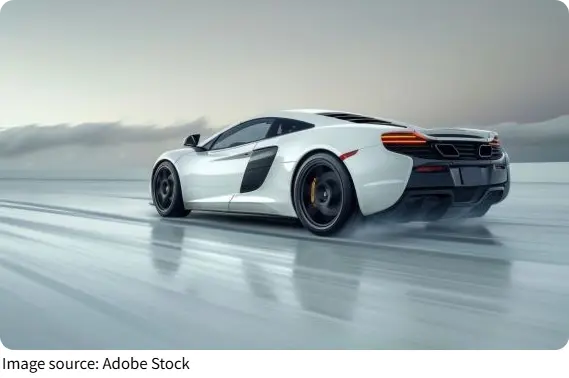
Italian supercars combine advanced hybrid powertrains with integrated aerodynamic designs to deliver distinct performance characteristics. Review the manufacturer specifications and maintenance requirements carefully when considering a purchase in this automotive category. Proper vehicle selection relies on identifying your specific priorities for track-day use versus daily driving comfort.