Mods That Really Matter

Chandan Singh
| 24-08-2026
 · Automobile team
Hi, readers. A lot of people assume sports car modifications automatically mean more speed, but that is not how it works once you get past the first shiny part.
Some changes make a real difference in grip, braking, cooling, or power delivery. Others mostly change appearance, add noise, or make the car feel harsher without giving you much back.
If you are trying to decide where your money should go, the useful question is not "modified or not," but which parts actually improve the way the car puts power to the ground. A set of quality summer tires, for example, can change a car more than a loud exhaust ever will, because tires affect acceleration, braking, and cornering every second you are moving.
Tires change everything first
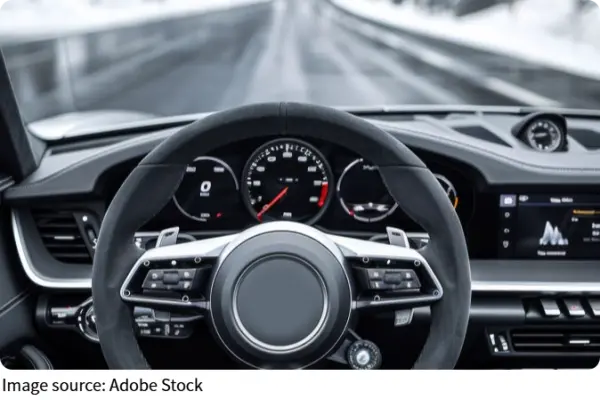
If you expect huge gains from engine parts, pause there and look at the contact patch first. A performance tire from Michelin Pilot Sport 4S or Bridgestone Potenza can deliver a bigger real-world improvement than many entry-level power upgrades, because your car uses those four small patches for every launch, turn, and stop. Wider or stickier tires can raise grip, but you also need the wheel size, alignment, and suspension setup to match. If you oversize the wheel and fit a very short sidewall just for appearance, you can make the ride harsher and reduce compliance on rough pavement. That means the car may feel sharper in a parking lot, yet be less composed on an uneven back road or track surface.
Suspension helps, if tuned
Lowering springs and coilovers are usually sold as performance upgrades, but the result depends on how well the parts are matched to the car. A properly engineered setup from Bilstein, KW, or Ohlins can reduce body motion, improve response, and keep the tire working harder in corners. A cheap drop kit can do the opposite. If the damping is poor or the ride height is pushed too low, you can lose suspension travel, upset the geometry, and make the car bounce over mid-corner bumps. The important part is balance. Spring rate, damper control, alignment settings, and anti-roll bars all work together. If you change one piece without understanding the rest, the car can feel busy and sharp at low speed but slower and less settled once you start driving hard.
Power gains need support
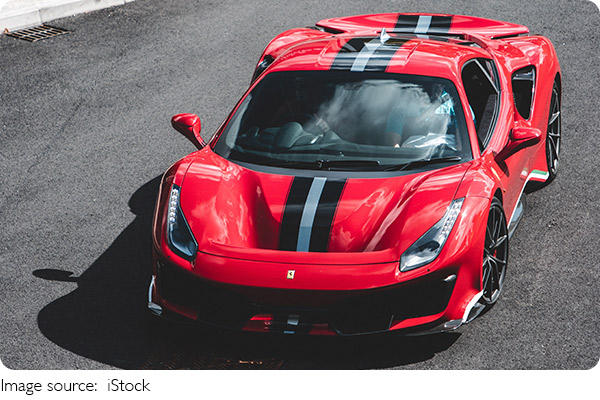
More horsepower sounds like the obvious path, but extra power is useful when the rest of the car can handle it. An ECU tune, freer-flowing intake, or revised exhaust can increase output on many turbocharged cars, especially models from BMW, Subaru, and Volkswagen. But if intake temperatures rise, the clutch starts slipping, or the brakes fade after a few hard runs, the gain is not doing as much for you as the dyno sheet suggests. Cooling matters here. An upgraded intercooler on a turbo car can keep performance more consistent lap after lap, and that matters more than a peak number you hit once. The same goes for fuel system parts and drivetrain durability. A bigger number is easy to advertise. Repeatable performance is the part you actually feel.
Brakes earn their keep
A big brake kit looks serious behind the wheel spokes, but the real value is heat management, not just stopping distance in one panic stop. Larger rotors, better pads, and high-temperature fluid help a car repeat hard braking without fade, especially on a track day. Brembo and AP Racing setups are popular for that reason. Still, not every street car needs a massive kit. For many drivers, a strong pad compound, fresh fluid, and stainless lines make more sense than spending heavily on oversized hardware. This is one of those areas where the useful upgrade depends on how you drive. A car that sees canyon roads or circuit sessions has very different needs from one that spends most of its time in city traffic.
A lot of appearance-focused parts sit in a different category, and that is where people get disappointed. A large rear wing, deep front splitter, or vented hood can help on the right car, but those parts need proper design and enough speed to matter. On a road car driven mostly on public streets, many add-ons are doing far less than people think. The same goes for oversized wheels, decorative vents, and very loud exhaust systems. They can change the experience, and if you enjoy that, fair enough. But they are not the same as a measured improvement in lap time, stability, or braking consistency. Factory performance packages from models such as the Porsche 911 GT3 or Chevrolet Camaro 1LE work because the pieces were developed as a system, not picked one by one for appearance.
If you want your sports car to perform better, start with the parts that affect grip, control, and consistency. Tires, brake pads, fluid, alignment, and a well-matched suspension setup usually give you more usable speed than cosmetic parts with aggressive styling. Add power after that, not before, and make sure cooling and reliability keep pace. So if you are choosing between what looks fast and what actually works, put your money into the parts you can feel in every corner, every stop, and every clean run.