Real Speed or Hype

Chris Isidore
| 24-08-2026
 · Automobile team
Hello, and welcome. Plenty of cars wear the performance costume, but that does not mean they deliver where it counts.
A big rear wing, a loud exhaust note, and a low 0 to 60 claim can grab your attention fast, but real performance shows up in places you can check, from lap consistency to brake feel to how the car behaves after a few hard runs. If you want to tell the difference between a real sports car and a marketing exercise, you need to look past the brochure and pay attention to the parts that hold up under pressure.
Numbers need context
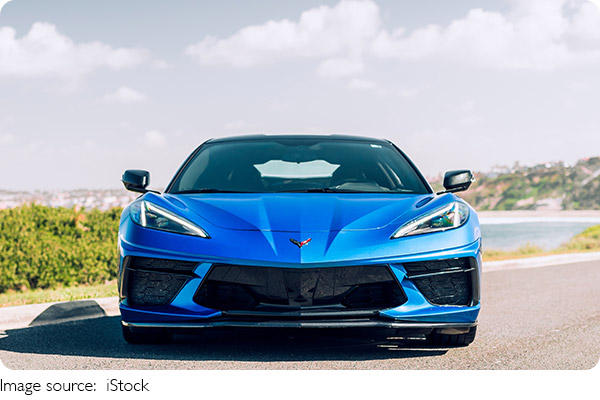
A quick sprint figure sounds impressive, but one strong launch does not tell you much on its own. A car that posts a fast 0 to 60 time with launch control may still feel clumsy once you add corners, braking zones, and heat. That is why tests such as a skidpad result, a figure-eight time, or repeated laps matter more. A Chevrolet Corvette Stingray and a Porsche 718 Cayman, for example, show their value not just in straight-line pace but in how clearly they communicate grip and weight transfer when you keep pushing. If you are comparing two cars, do not stop at horsepower. Check curb weight, tire width, braking distance from 70 mph, and whether performance drops off after several runs.
Chassis tells the truth
Marketing usually starts with engine output, but the chassis is where a real sports car earns your trust. You can feel it in steering accuracy, body control, and how naturally the car changes direction. Cars with solid tuning, such as the Mazda MX-5 Miata or the Toyota GR86, often feel more convincing than heavier models with much bigger power numbers, because they respond cleanly at normal road speeds and stay predictable when you increase the pace. If the front end resists turning in, or the rear feels nervous over midcorner bumps, the flashy spec sheet stops mattering pretty quickly. The useful question is not just, "Is it fast?" It is, "Can you place it exactly where you want?"
Heat exposes the weak spots
A lot of performance claims sound fine in a short press event, but repeated hard use exposes weak cooling, fading brakes, and transmissions that stop cooperating. That is where real engineering separates itself from image. Brake fade after a few laps, rising oil temperatures, or a gearbox that starts hunting for ratios under stress are practical red flags. Track-focused models such as the Chevrolet Camaro SS 1LE or the Porsche 911 GT3 tend to stand out because they are built to repeat the job, not just do it once for a headline number. If a manufacturer talks constantly about Nürburgring credibility but gives you vague details about cooling, tire compound, or brake hardware, take that as a sign to dig deeper.
Details reveal the intent
Real performance cars usually have hardware choices that make sense together. You will see supportive seats that hold you in place, tires chosen for grip rather than showroom appeal, and suspension tuning that matches the car's purpose. A Honda Civic Type R makes this easy to spot, because its front seats, shifter, and brake calibration all support quick, repeatable driving instead of just looking aggressive in photos. By contrast, some cars lean hard on giant wheels, extra drive modes, and cosmetic vents while skipping the less glamorous work. If the drive mode menu has 10 settings but the steering still feels artificial, that tells you plenty. Look for coherence. When the engine, brakes, tires, and chassis all seem to be working toward the same goal, you are usually looking at the real thing.
The easiest mistake is trusting the loudest claim first, but the better move is checking whether the car stays composed after the first burst of excitement wears off. Real performance is not one headline number or one dramatic styling cue. It is repeatable speed, clear feedback, durable hardware, and a setup that makes sense from nose to tail. If you keep your eye on those details, you will spot the difference much faster than any ad campaign wants you to. So next time a sports car arrives covered in bold promises, look past the costume and ask whether the engineering backs it up.