Why values split fast

Sophie
| 24-08-2026
 · Automobile team
Hi, everyone. Sports cars often get talked about as one big group, but their resale results split quickly once you check real listings.
A Porsche 911 and a Nissan Z can both be called sports cars, yet buyers treat them very differently in the used market. That gap usually is not random.
It comes from a few plain things you can actually track, such as brand strength, how many cars were produced, how the car is configured, and what kind of buyer shows up later with cash ready.
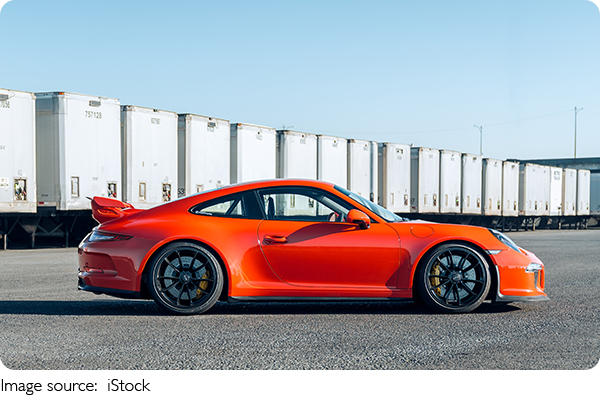
Brand pull stays visible
A lot of people assume performance decides resale, but brand often matters first. Porsche is the clear example. A 911 usually keeps stronger value not just because it is quick, but because the badge carries long-term demand across several versions, from Carrera to Turbo. You see the same pattern with Ferrari and Lamborghini. Buyers in the second-hand market are not just paying for horsepower, they are paying for a name that still attracts attention years later. A weaker brand can build a capable sports car, but if the badge does not carry the same pull, used prices slide faster because fewer people actively search for it.
Low supply changes everything
Many people focus on original sticker price, but production volume often has more effect later. A limited-run model usually loses value more slowly because there are fewer clean examples to choose from. The Porsche 911 R is a direct case. It was produced in small numbers, and that scarcity kept demand high well after the first buyers took delivery. On the other side, a mass-produced coupe with wide availability gives used buyers more bargaining power. If there are dozens of similar cars sitting on sale platforms, sellers have to cut harder to move them.
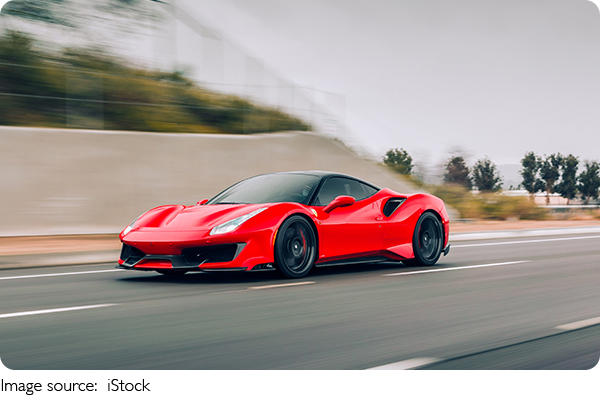
Configuration shapes demand
Two cars with the same name can land in very different places once options are involved. Manual gearboxes, special paint, carbon bucket seats, ceramic brakes, or a well-known performance package can all change how quickly a car sells. The 911 GT3 is a good example because buyers pay close attention to transmission choice and track-focused options. A basic version may still hold up well, but a carefully optioned one often attracts stronger offers because enthusiasts know exactly what they want. The reverse also happens. Unusual interior colors, unpopular wheel designs, or missing key options can narrow the buyer pool and drag resale down.
Timing can help or hurt
You might expect depreciation to follow a smooth line, but it often jumps when the market changes around a model. A new generation launch can hit the previous car fast, especially if the update fixes obvious weaknesses. The switch from one generation to the next on cars such as the BMW M4 often reshapes used prices within a short window, because buyers compare the older cabin, screen layout, and power figures directly. Policy shifts, import changes, and broader used-car sentiment can also move prices. During hotter market periods, even ordinary sports coupes hold up better. When demand cools, niche models drop first because their buyer base is smaller.
Maintenance records calm buyers
People love the exciting part, but resale gets decided by boring paperwork too. A complete service history, original parts, and a clean inspection record can make a major difference. Ferrari models are a strong example because buyers worry about service costs immediately, and any missing record raises questions. The same goes for modified cars. A heavily altered Subaru BRZ or Toyota 86 may look appealing to one person, but many buyers would rather pay more for a car with factory parts, regular maintenance stamps, and no unclear tuning work. Trust shows up in the final number.
Some cars find the right buyer
Not every sports car needs huge volume to hold value. Some hold up because the target buyer is unusually focused. The Lotus Elise is one example. It does not appeal to everyone, but the people who want one usually know its low weight, compact size, and direct steering are the whole point. That keeps demand concentrated. By contrast, a model that sits awkwardly between uses, not practical enough for daily driving and not focused enough for weekend driving, can struggle because no buyer group claims it strongly.
If you are trying to judge a sports car's resale future, do not stop at the badge or the brochure number. Check how many were made, which options buyers care about, whether the model has a loyal second-hand audience, and whether maintenance history will reassure the next owner. A sports car loses value for specific reasons, and it keeps value for specific reasons too. So if you want to buy smart, look at the exact model and version in front of you, not the category name on the listing.