Paying for the Dream

Caleb Ryan
| 24-08-2026
 · Automobile team
Hello, readers. A sports car can pull you in fast, but paying for one because of old memories is not the same thing as buying a good one.
You are usually balancing two very different things at once, the version of the car you built up in your head, and the actual machine sitting in front of you with a real price, real upkeep, and real compromises. That gap matters.
A Porsche 911 you wanted at 16 is not just a badge and a shape, it is also insurance, parts costs, seating position, storage space, and the question of whether you still want it after a long drive in traffic. If you want to know whether a sports car is worth buying for emotional reasons, you have to test both sides, the feeling and the facts.
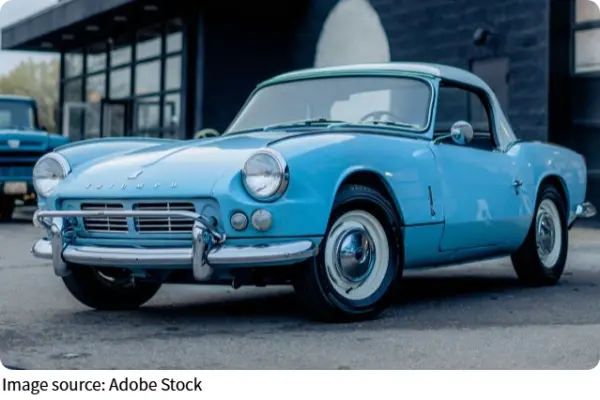
The badge is not enough
The easy move is to focus on the name, but the smarter move is to ask what exactly you are paying for. A Honda S2000 means one thing if you still care about its 9,000 rpm character and short manual gearbox, and something else if you mostly want the shape you had on your wall years ago. A Mazda MX-5 Miata gives you a useful comparison because it also delivers light weight, rear-wheel drive, and a simple cabin, often at a lower entry cost. If two cars give you a similar kind of drive, the one tied to your memory has to earn the premium through something specific, not just nostalgia. Sometimes that specific thing is real, a Ferrari F355 has a sound, steering feel, and sense of occasion that are hard to duplicate. Sometimes it is thinner than you expected once you sit in it for 30 minutes and start noticing the cramped storage or dated ergonomics.
Condition tells the real story
People talk about dream cars as if the model itself is the whole answer, but condition changes everything. A well-kept BMW E46 M3 with service records, healthy rod bearings addressed, and no rust is a very different buy from a cheaper example with missing history and tired suspension. The same goes for an air-cooled 911, where deferred maintenance can turn an emotional purchase into a draining one very quickly. You should look for named, concrete signs, a compression test on a high-mileage engine, documented clutch work, receipts for cooling-system service, and evidence that the car was used regularly rather than left sitting. A car that has been started, driven, and maintained on schedule usually tells you more than one polished for photos and parked most of the year.

Use changes what feels right
You may expect the dream car to fit every part of your life, but most sports cars are much better at one job than three. A Chevrolet Corvette can make sense if you want strong performance and highway comfort in the same package, especially compared with something more focused such as a Lotus Elise. The Elise is sharper and more intense, but getting in and out gets old fast if you are using it often, and cabin space is tight in a very real way. A Nissan GT-R may deliver the speed you once obsessed over, yet its running costs and complexity can feel heavy if you wanted something simple for weekend drives. Before you buy, be honest about the actual role. A weekend toy, a cars-and-coffee machine, and a regular-use car are three different tests, and a model that passes one may fail the others.
Regret usually starts with numbers
Emotion gets you to the listing, but numbers decide whether you stay happy. The purchase price matters, of course, yet ownership cost is where many dream-car buys start to strain. Tires for a Porsche 911 Turbo, brakes for a Mercedes-AMG GT, or specialist service for an Aston Martin V8 Vantage can reset your budget fast. The article's central point is simple and useful, buy the car you can actually afford to run, not just the car you can barely afford to acquire. That means leaving room for repairs, inspection costs, storage, and the surprise bill that tends to show up early with older performance cars. If stretching for the badge leaves no room for maintenance, the car stops being satisfying and starts feeling stressful.
The good news is that emotional buying is not automatically foolish. It becomes a bad deal when you pay extra for a story that the real car cannot support. If the driving experience still feels right after a proper test drive, if the condition backs up the asking price, and if the numbers fit your real life, then buying for feeling can make sense. A dream car should still work as a car. So if you are about to pay for nostalgia, make sure the machine in your garage is strong enough to deserve it.