Bike vs Car Upkeep

Arjun
| 24-08-2026
 · Automobile team
Welcome, and let's begin. Many people assume a motorcycle is much cheaper to maintain than a car, but the real answer is more mixed.
You usually spend less money overall on a motorcycle, yet you often deal with service more often. That trade-off shows up clearly with routine items such as tires, chains, oil changes, and valve checks.
A car spreads maintenance across longer intervals in many cases, while a motorcycle asks for shorter cycles and closer attention.
Smaller machine, quicker cycles
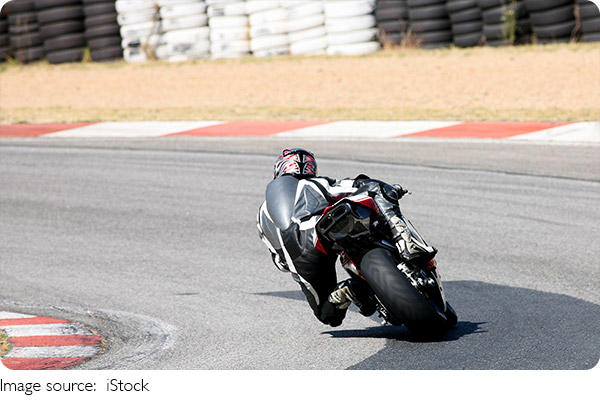
A car often goes a long stretch between major routine jobs, but a motorcycle usually needs attention sooner. Oil service is a good example. Many motorcycles call for fresh oil and a filter far earlier than a typical passenger car, especially if the engine runs at higher revs and shares oil across engine and transmission components. Tires tell the same story. A car may keep one set for tens of thousands of miles, while a motorcycle can wear through a rear tire much sooner, especially on a heavier touring model or a sport-oriented machine. If your bike uses a chain drive, that adds another repeating task a car owner simply does not have. You need cleaning, lubrication, and periodic adjustment, and eventually a full chain and sprocket replacement.
Cars stretch service farther
Cars are not maintenance-free, but their routine schedule is often easier to live with. Many newer cars use longer-life fluids and wider service intervals for oil, spark plugs, and transmission components. On top of that, you do not usually face bike-specific jobs such as chain care or frequent tire swaps. Data on vehicle ownership costs also shows how large the non-fuel running costs can get over time. For a new vehicle driven 15,000 miles per year, maintenance and repair costs were estimated at $1,475 annually. That figure is for a car, not a motorcycle comparison chart, but it gives you a useful baseline for what routine ownership can look like before fuel, insurance, and financing are added in.

Cheap parts, frequent labor
You might expect the motorcycle to win easily because it has fewer parts, but service frequency changes the math. A bike tire costs less than a car tire in many cases, yet it can need replacement much sooner. A small oil change uses less fluid than a car, but if you do it several times in the span of one car interval, the gap narrows. Labor matters too. Valve inspections on some motorcycles arrive at relatively short mileage marks, and that job can get expensive because body panels, fuel tanks, and tightly packed engine layouts take time to work around. By contrast, many cars push major tune-up items far enough apart that you may not feel them as often during the year.
Usage changes the gap fast
The gap between motorcycle and car upkeep depends heavily on what you ride or drive. A commuter bike with a simple engine, modest power, and easy valve access can stay fairly manageable. A high-performance motorcycle with soft tires and short service intervals is a different story. The same goes for cars. A compact sedan with common parts will usually cost less to maintain than a large luxury model with expensive tires and more complex systems. Your own habits matter just as much. If you ride in rain, skip chain care, or push tire wear too long, costs rise quickly. If you handle basic work yourself, such as chain adjustment or oil service, a motorcycle becomes much cheaper to keep on the road.
If you are deciding between a motorcycle and a car on maintenance alone, do not stop at the price of a single service visit. Look at the rhythm of ownership. A motorcycle often asks you for smaller amounts more often, while a car tends to ask for larger jobs less frequently. Check the service schedule for the exact model, especially tire life, valve inspection intervals, and final-drive type. So if you want the lower overall spend and do not mind more hands-on upkeep, a motorcycle can make sense, but you should go in expecting more frequent attention from you.