Pick Your Motorcycle

Nora
| 24-08-2026
 · Automobile team
Hi, and thanks for joining us. A lot of people start by asking which motorcycle type is the right one, but the better question is what kind of riding you actually plan to do.
A low-slung cruiser, a sharp-edged sport model, and a straightforward standard can all get you down the road, but they do it in very different ways. If you pick based on looks alone, you may end up with a machine that feels awkward after 30 minutes.
If you pick based on how you ride, things get much easier.
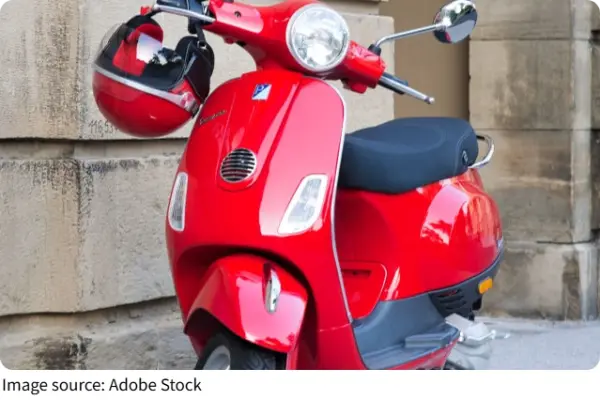
Your riding decides first
If you expect one category to do everything, it usually does not. Instead, each type leans hard toward a certain style. A cruiser is built for relaxed road time and a laid-back seating position. A sport model puts the focus on acceleration, cornering, and quick response. A standard sits in the middle, which is why riders often use it for commuting, short trips, and everyday errands. If your week looks like city traffic Monday through Friday and a casual weekend ride on Saturday, a standard makes sense in a way a Yamaha MT series often does for newer riders. If you keep thinking about long, open roads and comfort, cruiser territory starts to fit better.
Comfort changes everything
A lot of buyers focus on engine size first, but seat height, handlebar reach, and foot position usually shape your experience more. Cruisers typically place your feet farther forward and keep the seat low, which can help you feel planted at stops. That setup suits many riders on models such as the Honda Rebel. Sport models do the opposite. They tilt you forward, put more weight on your wrists, and tuck your legs higher, all of which can feel exciting on a short fast ride but tiring in daily traffic. Standards usually keep your back more upright and your controls more neutral. That balanced setup is a big reason riders look at bikes such as the Kawasaki Z series for mixed use.
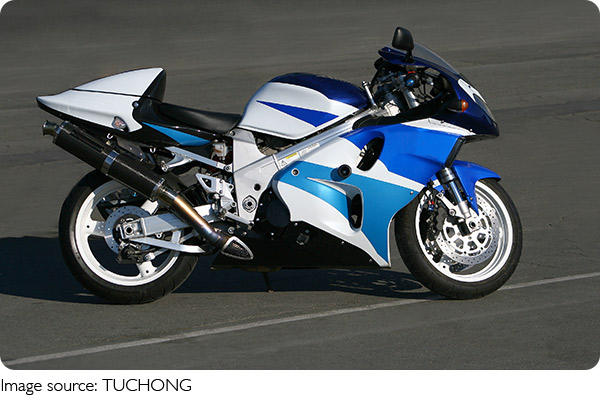
Performance has a trade-off
People often assume more speed means more fun, but speed-focused design asks something from you in return. Sport motorcycles are made for strong acceleration, responsive handling, and higher top-end performance. A model from the Suzuki GSX line is the kind of example riders bring up here, because that category is tuned to react quickly. That can be thrilling on clear roads, yet less pleasant when you're creeping through town or dealing with rough pavement. Cruisers usually trade some of that sharp response for stability and comfort. Standards try to split the difference. You will not get the tucked riding stance of a sport machine or the stretched-out posture of a cruiser, but you do get flexibility, and for many people that matters more every day than raw numbers.
Practical fit matters more
It is easy to get pulled toward style, but ownership gets real the first week you ride in traffic, park in a tight spot, or spend an hour in the seat. Think about your height, your confidence level, and where you will ride most often. Newer riders often appreciate a standard because the seating position is predictable and the handling feels less extreme. Riders who care most about comfort on steady road trips may lean toward a cruiser. Riders who already know they want aggressive handling and do not mind a committed posture may prefer a sport model. The useful move is to sit on several bikes, check where your feet land, and notice whether your hands and back feel relaxed or tense before you even leave the lot.
The right choice is usually not the one that gets the most attention in a parking area. It is the one you will actually want to ride again tomorrow, whether that means a cruiser for comfort, a sport model for sharp performance, or a standard for balance. Start with your real habits, not your fantasy version of them, and the answer gets clearer fast. So if you're stuck between these three types, focus on how your body feels on the bike and where your weekly rides really happen, that's the choice you'll keep feeling good about.