Motorcycle Fit Guide

Marcus
| 25-08-2026
 · Automobile team
Choosing a motorcycle involves more than comparing engine sizes or specifications.
A good physical fit can make the motorcycle easier to control, more comfortable to ride, and simpler to manage during everyday situations.
Before choosing a model, consider how naturally you can reach the ground, handlebars, and foot controls while maintaining a relaxed riding position.
Seat Height Is Not Everything
Seat height provides a useful starting point, but it does not tell the complete story. Two motorcycles with the same listed seat height can feel different because of seat width, shape, suspension, and overall design.
A narrow seat can allow your legs to reach the ground more easily, while a wider seat can require your legs to spread farther apart. Suspension can also compress when you sit on the motorcycle, changing its loaded ride height.
For that reason, specifications should be treated as a guide rather than a final decision. Sitting on the actual motorcycle gives you a much better understanding of how it fits your body.
One Foot Can Be Enough
Both feet do not necessarily need to sit completely flat on the ground. What matters is being able to support the motorcycle confidently when stopping.
Many riders are comfortable placing one foot firmly on the ground while keeping the other on a footpeg. The key consideration is whether you can remain balanced and controlled when stopping on uneven surfaces, slopes, or other situations that require careful positioning.
Handlebar Reach Affects Comfort
Your upper-body position is another important part of motorcycle fit. Handlebars that are too far away can cause excessive forward reach and place unnecessary pressure on your hands. Bars that are too close can make your elbows feel cramped and restrict natural steering movements.
When seated, your arms should have a comfortable bend rather than being fully stretched or tightly folded. Your shoulders should remain relaxed, and you should be able to operate the controls without shifting your body unnecessarily.

Footpeg Position Changes the Riding Position
Footpeg placement affects how your legs, hips, and upper body work together. Different motorcycle designs place the feet in different positions, creating distinct riding postures.
The right arrangement depends on your body proportions and intended use. When sitting on a motorcycle, check whether your knees, hips, and feet feel naturally positioned and whether you can operate the controls without excessive stretching.
Weight Matters During Slow Maneuvers
A motorcycle's weight becomes especially noticeable when you are barely moving. Parking, reversing, turning tightly, or maneuvering on a slope can require more physical control than normal riding.
Overall weight is only part of the equation. Weight distribution and the motorcycle's center of mass also influence how it feels at low speed. A well-balanced motorcycle can feel manageable even when it is not particularly light.
If possible and safe, hold the motorcycle upright and carefully move it forward and backward in a suitable area. This can help you understand whether its size, balance, and weight feel comfortable before making a purchase.
Test the Complete Fit
Specifications cannot fully show how a motorcycle will feel beneath you. Sit on it with your usual riding gear and assess the complete riding position.
Check whether you can:
- Reach the ground comfortably.
- Operate the handlebars without overreaching.
- Bend your elbows naturally.
- Reach the foot controls without stretching.
- Maintain a relaxed shoulder and hip position.
- Manage the motorcycle comfortably during low-speed movement.
If a suitable test ride is available, use it to evaluate normal stops, turns, parking, and other everyday situations in an appropriate area.
Think Beyond the First Ride
A motorcycle can feel impressive for a few minutes and still become tiring during regular use. Consider how the riding position will feel during commuting, longer journeys, frequent stops, and routine parking.
Your preferred riding environment should also influence the choice. A motorcycle that feels comfortable for relaxed cruising may have a very different ergonomic setup from one designed for a more upright or aggressive riding position.
The goal is not to find a motorcycle with one perfect measurement. It is to find a combination of dimensions and characteristics that works naturally with your body and riding habits.
Choose the Motorcycle That Fits You
The best motorcycle is not necessarily the one with the lowest seat, lightest weight, or largest engine. A good match combines suitable seat dimensions, comfortable handlebar reach, practical footpeg placement, manageable weight, and a natural riding posture.
Take time to sit on the motorcycle, assess its controls, and consider how it behaves during everyday low-speed situations. When the motorcycle fits your body rather than forcing your body to adapt to it, riding can become more comfortable, controlled, and enjoyable.
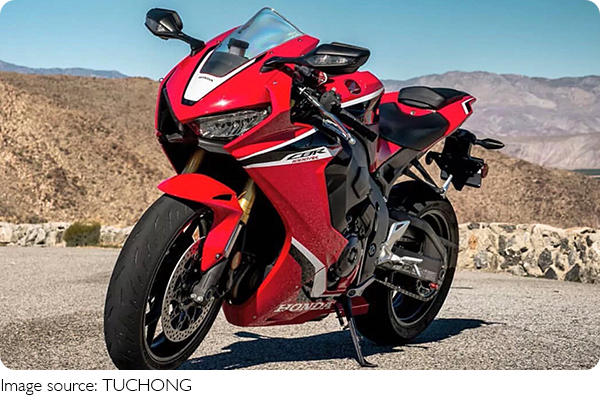
Choosing the right motorcycle starts with fit rather than a single specification. Seat height matters, but so do seat width, handlebar reach, footpeg position, weight distribution, and overall riding posture.
A motorcycle should allow you to sit naturally, reach its controls comfortably, and manage it with confidence when moving slowly or coming to a stop. By evaluating the complete fit before buying, you can choose a motorcycle that feels practical not only during the first test ride, but throughout everyday ownership.