Night Driving Safety

Arjun Mehta
| 28-08-2026
 · Automobile team
Lykkers, driving at night can be comfortable when the road is clear, but bright headlights from another vehicle can suddenly make it difficult to see.
This can happen on city streets, highways, rural roads, or unfamiliar routes anywhere in the world. Instead of becoming frustrated, we can use a few simple habits to protect ourselves and keep the situation under control.
Stay Calm and Focused
When a vehicle approaches with very bright headlights, our first response should be to stay calm. Strong glare can be distracting, but an emotional reaction may lead to sudden steering, braking, or other unsafe decisions.
We should keep our attention on the road and maintain a steady position. Using equally bright lights in response may feel tempting, but it can make visibility worse for both drivers. Our priority is to create a safer situation rather than turn it into a competition.
Reduce Speed When Necessary
Bright headlights can temporarily make it harder to see lane markings, road edges, curves, pedestrians, cyclists, or objects ahead. When our visibility becomes limited, reducing speed gives us more time to react.
We can gradually ease off the accelerator instead of making a sudden stop. A lower speed is especially useful when we are approaching a bend, intersection, narrow road, or poorly lit area.
Our speed should always match the conditions we can actually see. If visibility drops, slowing down is a practical form of defensive driving.
Avoid Looking Into the Glare
When strong headlights approach, staring directly at the light can make the glare feel even more intense. We can shift our gaze slightly toward the lane ahead or a safe reference point near the road edge.
We should still monitor the approaching vehicle and surrounding traffic. The goal is simply to avoid allowing the brightest point in our view to control our attention.
Keeping our eyes moving naturally between the road, lane position, and surrounding traffic can help us maintain better awareness while the vehicle passes.
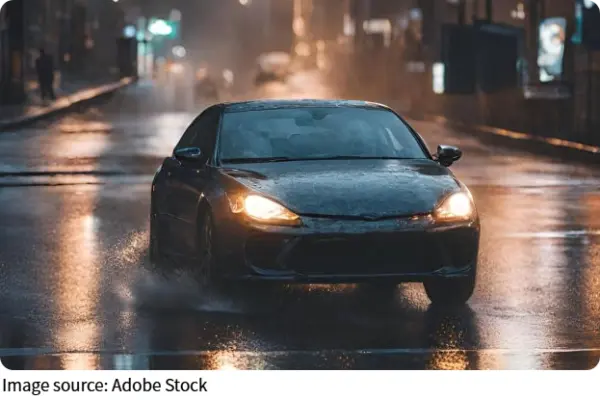
Use a Gentle Light Signal
Sometimes another driver may simply forget to adjust their headlights. Where local rules and conditions allow, we can briefly switch our own headlights to provide a polite reminder.
The signal should be short and controlled. Repeated flashing can distract the other driver or create unnecessary tension. If the other vehicle does not respond, we should stop signaling and return our full attention to driving.
Our purpose is communication, not confrontation.
Manage Glare From Behind
Bright headlights can also become uncomfortable when a vehicle follows closely behind us. Correct mirror adjustment can reduce some direct glare.
Many vehicles provide a night setting for the interior mirror. We can also adjust the side mirrors according to the vehicle's instructions and maintain enough distance from the vehicle ahead to give ourselves additional reaction time.
These small adjustments can make nighttime driving more comfortable without requiring sudden changes in direction.
Leave More Following Space
When visibility is reduced, extra space between vehicles becomes particularly useful. If traffic ahead slows suddenly, a larger gap gives us more time to react smoothly.
We should also scan the wider road rather than focusing only on the bright headlights. Lane markings, road edges, intersections, signs, and nearby vehicles can all provide useful information about what is happening ahead.
Good observation becomes even more important when lighting conditions are poor.
Avoid Phone Distractions
If another driver repeatedly causes a problem, we may feel tempted to take a photo or record the vehicle. However, using a phone while driving creates another distraction.
If our vehicle already has a dashboard camera, existing footage may provide a record without requiring us to handle a phone. If we later choose to report unsafe driving, we can follow the procedures provided by the relevant local traffic authority.
We should always deal with reporting only when we can do so safely.
Pull Over When Visibility Is Poor
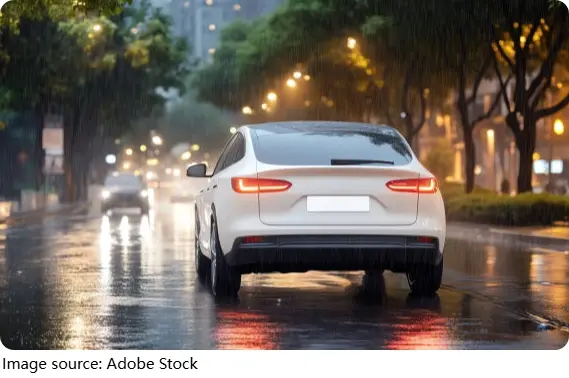
Sometimes the safest decision is to stop driving temporarily. If glare combines with rain, fog, fatigue, or another condition that makes the road difficult to see, we can look for a safe and permitted place to pull over.
A short break can give our eyes time to recover and allow conditions to improve. We should avoid stopping suddenly in an unsafe location simply because another vehicle has bright headlights.
Final Thoughts
Bright headlights can be challenging for drivers in many parts of the world, but our response is within our control. By staying calm, slowing down when necessary, avoiding direct glare, maintaining extra space, and keeping distractions away, we can handle these situations more safely.
Lykkers, we cannot control how another driver uses their headlights, but we can control our own response. A calm approach gives us more time, better awareness, and greater control when nighttime visibility becomes difficult.