Big Car, Tiny Engine?

Hiro
| 31-08-2026
 · Automobile team
Look under the hood of many modern vehicles, and the engine may seem surprisingly small compared with the size of the car. Family SUVs can now use compact three- or four-cylinder engines that once seemed better suited to smaller vehicles.
How can such a small engine move a larger vehicle effectively? Advances in turbocharging, fuel injection, transmissions, and engine management have made smaller engines more capable than ever.
Turbocharging Gets More From Less
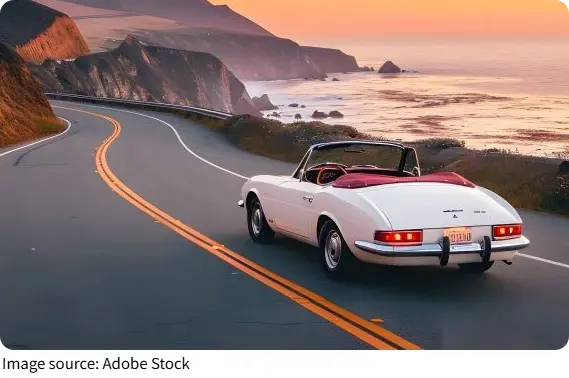
Engine size does not tell the whole story about performance. Modern engineering allows relatively small engines to produce considerably more power than similarly sized engines from previous generations. Turbocharging is one of the key technologies behind this change. A turbocharger helps force more air into the engine, allowing it to produce more power from a smaller displacement.
Improvements in engine components and electronic controls have also helped manufacturers extract more performance from compact powertrains. That means a modern 2.0-liter engine can deliver performance that would have required a considerably larger engine in some older vehicles. Not every small engine is powerful, of course, but displacement alone is no longer a reliable indication of how a vehicle will perform.
Hybrid Power Changes the Equation
Electrification has given automakers another way to make smaller engines work effectively in larger vehicles. Hybrid systems combine a combustion engine with one or more electric motors, allowing the electric components to provide additional power when needed. This can make a vehicle with a relatively small engine feel much more responsive than expected.
The 2026 Toyota RAV4 Plug-In Hybrid, for example, uses a four-cylinder engine alongside electric power and is cited in the source material with a 0-to-60-mph time of 5.4 seconds. The important point is that modern vehicle performance increasingly comes from the entire powertrain, rather than the engine alone.
Even Trucks Are Downsizing
Engine downsizing is not limited to compact cars. Larger trucks have also adopted smaller engines while using turbocharging and other technologies to maintain strong performance. The 2026 Ram 1500 provides an example with its available Hurricane inline-six engine.
Although it has fewer cylinders than the Hemi V8 it replaced for a period, the Hurricane produces strong power and torque while offering efficiency advantages according to the source material. This illustrates how manufacturers can reduce engine displacement or cylinder count without necessarily sacrificing the performance expected from a larger vehicle.
Why Are Cars Getting Bigger?
While engines have become smaller, many vehicles themselves have continued to grow. Several factors contribute to this trend, including changing customer preferences and regulatory requirements. SUVs and pickups have become particularly popular, and manufacturers have increasingly focused on these larger vehicle categories.
The source material also points to differences in efficiency requirements between passenger cars and light trucks, which include SUVs. There is another important factor: many drivers feel more comfortable in larger vehicles. Size can create a sense of security, even though greater weight does not automatically mean lower risk for the people inside.
A 2025 Insurance Institute for Highway Safety report cited in the source found that heavier-than-average vehicles did not necessarily reduce the risk of death for their own occupants in crashes. The same analysis found that a heavier vehicle involved in a collision with a lighter vehicle could pose greater danger to the occupants of the lighter vehicle.
Technology Makes the Combination Possible
The apparent contradiction between smaller engines and larger vehicles becomes easier to understand when modern technology is considered as a whole. Engine computers can precisely manage fuel and ignition. Turbochargers can increase the amount of air available for combustion. Hybrid systems can supplement the combustion engine with electric power.
Together, these technologies allow manufacturers to achieve useful performance from smaller engines. At the same time, larger vehicle bodies provide the space, practicality, and features that many buyers want. The result is a vehicle that may be physically larger while carrying a much smaller powerplant than an older model.
Final Thoughts
The shrinking engine is not necessarily a sign that modern cars have become weaker. Instead, it reflects a major shift in how manufacturers create performance and efficiency. Turbocharging, electrification, improved engine components, and sophisticated electronic controls have changed what a small engine can accomplish.
Meanwhile, larger SUVs and trucks continue to attract buyers who value space and practicality. That is why today's automotive landscape can contain an interesting combination: bigger vehicles powered by smaller engines. The numbers on the engine badge may have changed, but the technology behind them has changed even more.