Split Verdict Cars

Elena Rossi
| 31-08-2026
 · Automobile team
Hello, friends. Some cars look easy to judge from the outside, but owner feedback says something else.
A model can post strong sales, grab attention in a showroom, and still leave one group of drivers very happy while another group gets annoyed by the same exact traits. That split usually shows up around a few concrete things, cabin space in a fastback body, gearbox tuning in stop and go traffic, rear seat comfort, or the gap between a bold design and daily use.
If you're checking used listings or comparing new models, these are the kinds of details that can save you from buying a car that fits somebody else's habits instead of yours.

Looks win, space divides
Cars with coupe-style rooflines often pull people in first, but the tradeoff appears the moment you sit in the back. A model such as the Mazda CX-4 built its following on exterior design and steering feel, yet owner comments often split over rear headroom and window size. If you usually drive alone or with one passenger, that shape may feel worth it. If your family regularly uses the second row, the same design becomes a daily complaint instead of a styling highlight.
Power feels different daily
Turbo engines and dual clutch gearboxes sound appealing on a spec sheet, but owner opinions tend to separate once the car faces crowded city traffic. Several sporty compact sedans have drawn praise for strong mid-range pull and quick response on open roads, while the same owners, or the next batch of owners, complain about low-speed hesitation, abrupt shifts, or drivability that feels inconsistent in parking lots. You can see this pattern in models built to feel energetic first and smooth second. A short test drive on a clear road won't show you much, but a slow crawl through repeated stops usually will.
Big screens do not settle it
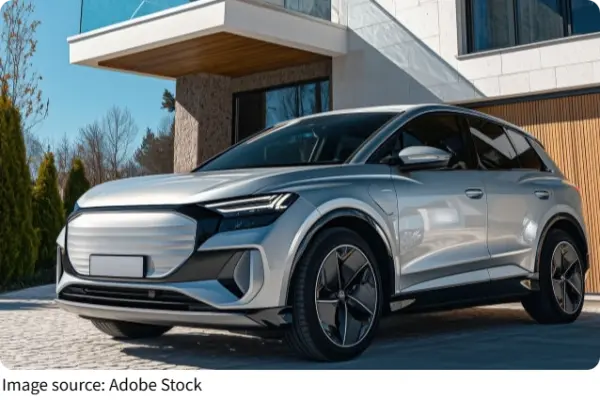
Tech-heavy interiors are supposed to make a car feel newer, but they also create one of the sharpest splits in owner reviews. Some drivers enjoy the large central display, reduced physical buttons, and cleaner dashboard layout found in several newer electric and hybrid models. Others get frustrated by having basic climate or vehicle functions buried in touch menus. The difference is practical, not theoretical. If you adjust airflow, seat heat, or drive settings often, a screen-first cabin can wear you down even if it looked impressive on day one.
Ride comfort sparks arguments
A chassis tuned for control usually earns praise on curves, but it can lose people on rough pavement. This is where many compact SUVs and sporty sedans divide owners most sharply. One group calls the suspension solid and confidence-building. Another group drives the same car over patched urban roads and says the ride is too firm, too busy, or too noisy. The disagreement is not random. Road conditions, wheel size, and daily commute length all change how that setup feels. A 19-inch wheel on broken city streets will be judged very differently from the same car running on smoother suburban roads.
Brand appeal raises standards
Well-known badges often intensify owner reactions because expectations start higher. A premium compact sedan can get strong praise for cabin design, badge value, and highway stability, then get hit just as hard for rear-seat tightness, maintenance costs, or optional features that should have been standard at the price. You see the split more clearly in entry premium models than in straightforward family sedans, because buyers expect more than decent transport. They expect the whole package to feel convincing every day, not just during delivery week.
When owner opinions split this sharply, the car usually is not simply good or bad. It fits a narrow type of use very well, and that same focus turns into a weakness for somebody else. The smart move is to match the car to your routine with specific checks, rear seat test, rough-road test, slow-speed gearbox feel, and how often you use physical controls. So if a model keeps getting both glowing praise and blunt complaints, do not ignore either side, because you might be seeing a very accurate warning about whether it suits you.