The Best of Boracay

Naveen Kumar
| 17-09-2026
 · Travel team
Hi, readers. Boracay is often reduced to one image: brilliant white sand meeting clear tropical water. That picture is accurate, but it leaves out the planning that makes a trip work smoothly.
The island has diverse beaches, entry rules, boat transfers, seasonal winds, and activities—so arriving at White Beach without a plan can mean more time organizing than relaxing.
Boracay sits in Malay, Aklan, and its best-known shoreline remains White Beach, but the island is compact enough to mix swimming, quieter beaches, water sports, and sunset views into a short stay.
Start With The Right Part Of White Beach
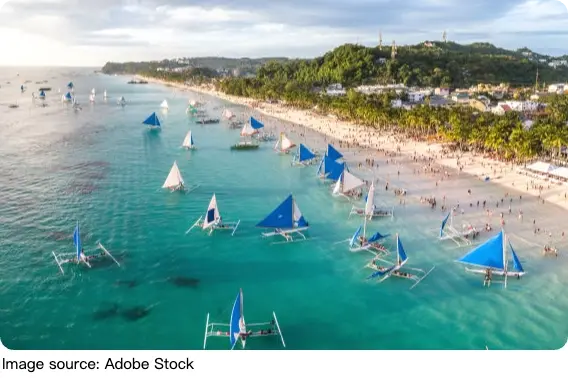
White Beach stretches for roughly four kilometers along Boracay's western coast and is divided into three main stations. Station 1 is known for a wider stretch of beach and many upscale resorts, Station 2 is the busiest section for restaurants, shopping, and nightlife, while Station 3 generally feels calmer. Choosing where to stay matters because these differences become noticeable once you start walking the beachfront every day.
If you want easy access to restaurants and D'Mall, Station 2 is the practical choice. Travelers who would rather wake up to a quieter beach can consider Station 3, while Station 1 works particularly well for visitors who place the shoreline itself above nightlife or shopping.
White Beach is also Boracay's classic sunset side. One of the signature experiences is a paraw sailing trip, using the traditional double-outrigger sailboats seen offshore in the late afternoon. The Philippine Department of Tourism lists paraw sailing, paddleboarding, parasailing, and other water activities among the island's major experiences.
Prices vary considerably between operators and seasons, so treat any activity quotation as a reference price and confirm the amount before boarding.
Plan The Transfer Before You Arrive
For most travelers flying into Caticlan, reaching Boracay still involves a transfer to the jetty, passenger registration, payment of applicable local charges, and a short boat journey to the island. Aklan Province currently promotes its Boracay iPass system, which allows travelers to process the port terminal fee, environmental fee, and boat fare and receive the necessary QR documentation for entry.
The province also promotes LezzGo Boracay for registration and payment, including online card, GCash, and Maya options as well as payment at the port.
Government-related charges should be checked shortly before travel because rates and collection systems can change. Current visitor information indicates different environmental charges may apply to local and foreign travelers, while terminal and boat charges are added separately. Rather than relying on an old package quotation, check the official Aklan platform when preparing your trip and budget several hundred Philippine pesos per person for the port process.
Boracay
Leave White Beach For A Few Hours
One of the easiest mistakes in Boracay is staying on the same shoreline for the entire trip. Puka Shell Beach sits at the northern end of the island and offers a noticeably different landscape. Official tourism information describes it as an approximately 800-meter stretch with coarser, shell-mixed white sand and a less developed atmosphere than White Beach.
There is currently no general admission charge for accessing the beach, although transport, food, chairs, or tour services cost extra.
For something more active, cross to Bulabog Beach on Boracay's eastern side. It lies only around a five-to-ten-minute walk from the Station 2 area and is particularly associated with kiteboarding. During the Amihan season, roughly November through March or April, its wind and shallow reef-protected water attract riders and training schools.
One established local school currently lists a 90-minute introductory course at ₱6,000 and a nine-hour course at ₱36,000; these are operator-specific reference prices rather than island-wide fixed rates.
Build Your Day Around The Weather
Boracay's seasons affect more than rainfall. The dry period, generally November through April, is especially popular for White Beach, while seasonal winds can change which side of the island feels calmer. That means a rigid schedule is not always useful. If wind or sea conditions make one beach uncomfortable, shifting to the opposite coast can completely change the day.
A practical three-day visit could keep the first afternoon around White Beach, use the second day for Puka Beach or an island-hopping trip, and reserve the third morning for Bulabog or another water activity. Island-hopping and snorkeling are promoted among Boracay's main experiences, but routes and prices depend on weather, passenger numbers, and operators, so confirm both the itinerary and total charge before leaving.
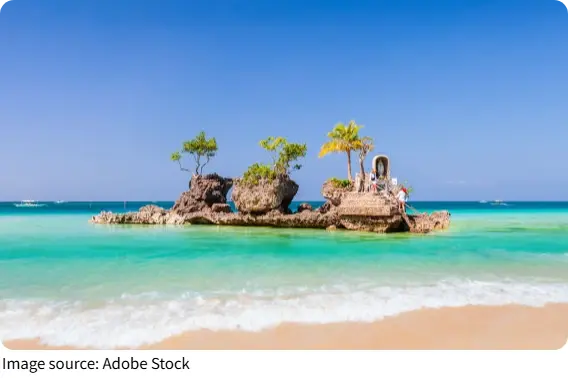
The simplest Boracay strategy is therefore not to schedule every hour. Choose the right station, organize your port transfer before arrival, keep one day flexible for the weather, and spend at least a few hours away from White Beach. The famous shoreline deserves its reputation, but Boracay becomes much more interesting once you experience both its quiet northern coast and its windier eastern side.