Lagoa do Fogo: Wild Lake

Chris Isidore
| 07-09-2026
 · Travel team
Hi Lykkers! You probably expect a trip to Lagoa do Fogo to start with a crowded viewpoint, a quick photo, and a bus back to Ponta Delgada.
But the real experience is the opposite. Most visitors never leave the main miradouro, so the trail down to the lake's edge feels almost secret.
You get the raw, quiet version of one of the Azores' most dramatic landscapes.
Why this lake feels wild
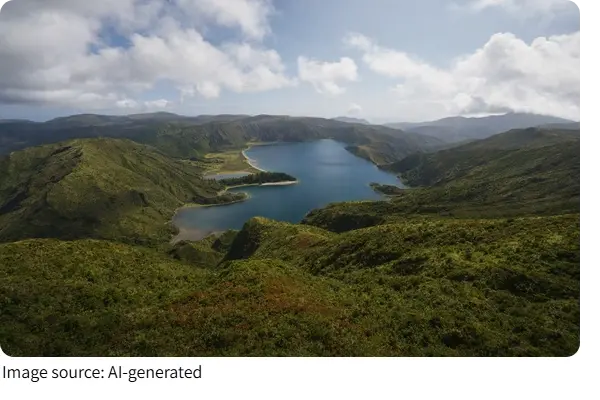
Lagoa do Fogo sits inside a massive volcanic crater in the center of São Miguel Island. It's the highest lake on the island, at about 575 meters above sea level, and it's protected as a nature reserve. That protection means no buildings, no restaurants, and no permanent structures around the water.
You'll see white sand beaches, dark volcanic rock, and water so clear it reflects the sky like a mirror on calm days. The wind picks up fast here, and the weather can shift from sunny to foggy in twenty minutes. That's part of the charm, but it's also why you need to plan your timing.
Getting to the crater edge
The most common access point is from the north, via the road that climbs from Ribeira da Praia. You'll drive about 40 minutes from Ponta Delgada, and the last stretch is a winding mountain road with sharp curves. Parking at the main miradouro is free, but the lot fills up by mid-morning in summer, so arrive before 9 a.m. if you want a spot.
From the south, you can approach through Caloura, but that road is narrower and often closed due to landslides after heavy rain. Stick to the northern route unless you've checked local conditions.
Lagoa do Fogo
Hiking down to the water
The trail from the miradouro to the lake shore is about 3 kilometers one way, and it takes 45 minutes to an hour at a steady pace. It's a steep descent on loose volcanic gravel, so hiking poles help more than you'd think. You'll pass through patches of endemic vegetation, including the island's famous laurel trees and heather bushes.
Once you reach the bottom, you'll find a small sandy beach where locals actually swim in summer. The water is cold, usually around 17 to 19 degrees Celsius, but it's refreshing after the climb. Don't expect lifeguards or facilities; this is a wild spot, and you pack out everything you bring in.
What to budget and pack
A full day trip from Ponta Delgada will cost you roughly 25 to 35 USD per person if you rent a car, including fuel and a picnic lunch. Guided tours from the city run about 50 USD per person and include transport, but they'll limit your time at the lake. Pack layers, because the temperature at the crater drops quickly when clouds roll in.
Bring sturdy shoes, at least 1.5 liters of water per person, and a waterproof jacket even if the morning looks clear. A small towel and swimsuit are worth carrying if you plan to brave the water. Sunscreen is essential, but use reef-safe brands since this is a protected ecosystem.
Timing your visit right
The lake is most photogenic in the early morning, when the wind is calm and the surface reflects the surrounding cliffs. By late afternoon, clouds often funnel into the crater and hide the view entirely. Check the local weather forecast for "Ribeira Grande" or "Água de Pau" before you commit to the drive.
If you're visiting between June and September, you'll also deal with more foot traffic, but the reward is warmer swimming conditions. In winter, the trail can be muddy and slippery, so the hike down becomes a real challenge. Either way, give yourself at least four hours total, from parking to returning to your car, so you're not rushing.
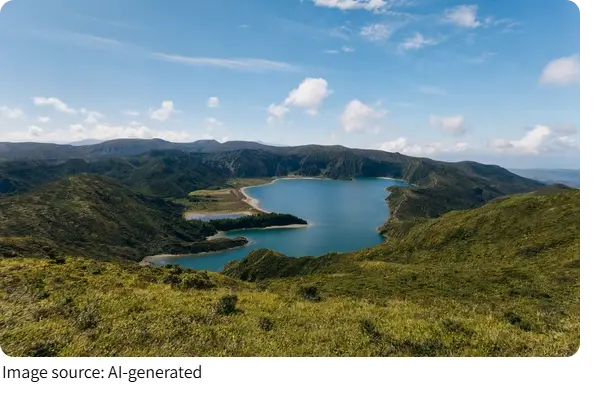
So next time you're on São Miguel, skip the quick stop at the viewpoint. Drive up early, hike down, and sit by the water for a while. That's where Lagoa do Fogo actually opens up and shows you why it's worth the effort.