Wild Kaziranga

Caroll Alvarado
| 10-09-2026
 · Travel team
Kaziranga National Park in Assam, India, is a renowned wildlife destination and World Heritage Site, celebrated for its Indian one-horned rhinoceros.
Its floodplain landscape of grasslands, wetlands, forests, and waterways supports elephants, wild water buffalo, deer, tigers, primates, and diverse birdlife.
Kaziranga National Park
Best Time to Visit
November to April is generally the most suitable period to visit Kaziranga. Cooler conditions are particularly comfortable for early safari excursions, while the varied habitats provide opportunities for wildlife and bird observation.
Park access and operating schedules can change according to weather and management conditions, so check current arrangements before traveling.
Park Entry and Safari Fees
Park entry is approximately $7 per foreign visitor and $1 per Indian visitor.
Jeep safari fees for foreign visitors are approximately $90 in the Central and Western ranges, $101 in the Eastern range, and $114 in the Burapahar range. A jeep can accommodate up to six visitors, allowing groups to share the vehicle cost.
Fees may vary according to the safari range and current park regulations, so confirm the applicable charges when booking.
How to Get There
By Air:
Guwahati is a major gateway for Kaziranga. A private taxi from Guwahati to the park area generally starts at around $33, with the final fare depending on the vehicle and service.
By Train:
Furkating is a useful railway gateway for the region. Fares from Guwahati can range from approximately $2–$16, depending on the train and class, followed by a road transfer.
By Bus:
Bus services connect Guwahati with destinations near Kaziranga, with fares generally around $5–$9, depending on the service.
Safari Experience
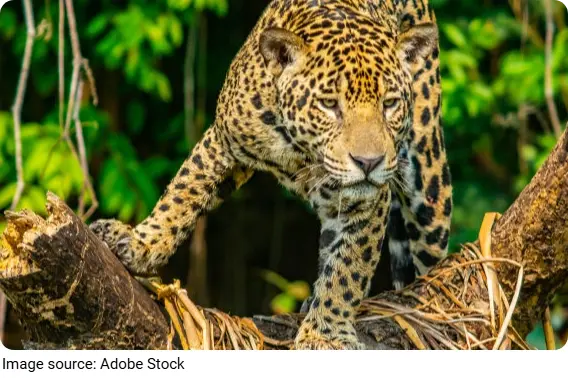
A jeep safari provides access to designated wildlife areas and passes through grasslands, forests, and wetlands. The changing terrain creates opportunities to observe rhinoceroses, elephants, deer, wild water buffalo, birds, and other species.
Morning and afternoon safari sessions operate according to the park’s schedule. Advance booking is recommended during busy periods.
Wildlife and Habitats
The Indian one-horned rhinoceros is Kaziranga’s signature species. The park also supports elephants, wild water buffalo, deer, tigers, and several primate species.
Its wetlands and waterways attract numerous resident and migratory birds, adding significant variety to the wildlife experience.
The combination of grasslands, wetlands, forests, and waterways is central to Kaziranga’s ecological importance and provides different settings for wildlife observation.
Responsible Wildlife Viewing
Visitors should follow park regulations, remain in designated areas, keep noise low, and maintain a respectful distance from wildlife.
Do not attempt to attract animals or interfere with their natural behavior. Keeping the park clean and respecting its rules helps preserve the environment and supports responsible tourism.
Travel Tips
Wear comfortable clothing and sturdy shoes, and bring binoculars, a camera, sunscreen, and a light jacket for cooler mornings.
Wildlife sightings vary naturally, so patience and careful observation are important. Allow sufficient time for travel and safari arrangements, particularly during busy periods.
Before departure, confirm the latest entry fees, safari charges, operating hours, booking requirements, and transport information.
Discover Wild Kaziranga
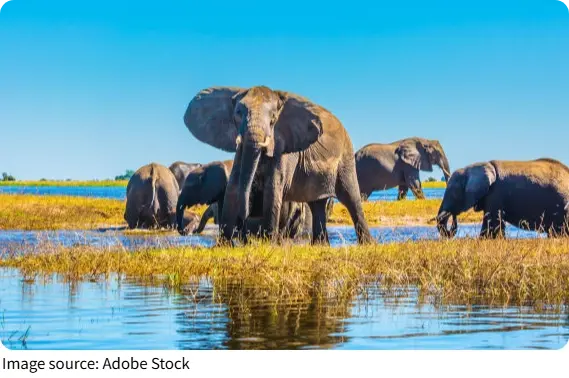
Kaziranga National Park brings together iconic wildlife and diverse floodplain habitats in one remarkable natural setting. Its celebrated rhinoceros population, extensive wetlands, grasslands, forests, and birdlife make it a distinctive destination for nature enthusiasts.
A well-planned visit offers an unforgettable opportunity to experience the wild landscapes of Assam and one of India’s most remarkable wildlife environments.