Positano Worth the Trip!

Celia
| 16-09-2026
 · Travel team
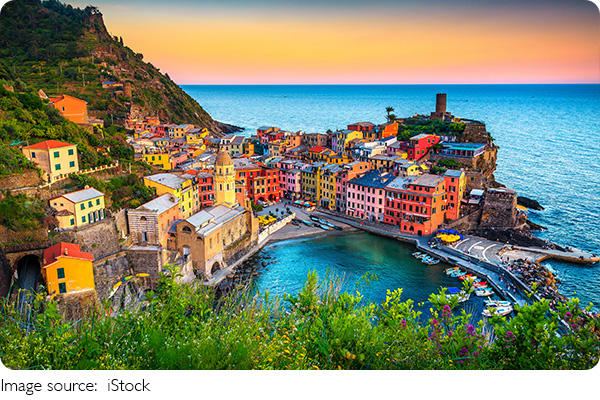
Lykkers, if Positano is on your Italy itinerary, a little planning can make a big difference. This coastal town is beautiful but also steep, with streets and stairways connecting the hillside to the waterfront.
The best experience comes from knowing how to arrive, where to spend your time, and which activities fit your schedule.
How to Get to Positano
Positano does not have a train station, so most visitors arrive by bus, ferry, private transfer, or car. From Sorrento, the SITA bus is one of the more affordable choices. A 24-hour coastal bus pass costs about US$12 and allows unlimited rides on participating routes around the Amalfi Coast. Tickets must be purchased before boarding, so plan ahead rather than expecting to buy one from the driver.
Ferries are another convenient choice when services are operating. A ferry from Sorrento to Positano takes around 40 minutes, with current fares starting at roughly US$22. From Amalfi, the crossing can take about 20 minutes, with fares starting around US$12.
Travelers coming from Naples can also take a high-speed ferry from Molo Beverello. The journey takes around 80 minutes, with fares starting at approximately US$36. Ferry schedules can change, so checking the departure time before building a day trip around it is important.
Positano
Best Things to See and Do
Start your visit around Piazza dei Mulini and walk toward the waterfront. The central streets are filled with small shops, cafés, stairways, and viewpoints. From here, continue toward Spiaggia Grande, the main beach. There is no general entrance fee for walking around the beach area, although beach facilities and services can have separate charges.
Fornillo Beach is another option and can be reached from Spiaggia Grande by a coastal walking route. It is worth adding when you want a quieter section of the shoreline without arranging another trip outside town.
For something more cultural, visit the Museo Archeologico Romano. The museum displays remains from a Roman villa discovered beneath Positano. Admission is approximately US$17, and a guided visit is available for small groups. The museum generally operates from 9 a.m. to 8 p.m. during the main visitor season and from 10 a.m. to 4 p.m. during the quieter season.
When to Visit and Where to Stay
The most comfortable periods for exploring Positano are generally spring and early autumn. May, June, and September offer a useful balance between pleasant weather and manageable visitor levels. Summer can be much busier, particularly during the middle of the season.
For accommodation, staying near the center or lower part of town can reduce the amount of climbing needed for beach visits and ferry departures. Hillside properties can provide attractive views, but the steep streets should be considered before booking, especially with luggage.
Hotel prices vary considerably depending on location and room type. The average rates of around US$573 per night for three-star hotels and about US$949 for four-star hotels. Luxury five-star properties can average around US$1,919 per night.
Food and Daily Budget
Positano is not a budget destination, so planning daily spending before arrival is helpful. Restaurant prices vary widely depending on location and menu style. A simple meal can cost around US$15–30 per person, while a more elaborate meal can easily cost considerably more. Checking menus before sitting down is a practical way to avoid surprises.
For a moderate day, visitors can combine a simple breakfast, casual lunch, dinner, transportation, and one paid attraction without spending heavily on additional tours. If taking ferries or booking private excursions, however, transportation can become one of the larger parts of the budget.

A good Positano trip is about choosing the right pace. Spend time exploring the center, enjoy Spiaggia Grande and Fornillo Beach, visit the archaeological museum. Ferries and buses make it possible to explore beyond the town, while choosing accommodation carefully can make daily walking much easier.