Riding in Crosswinds

Chris Isidore
| 16-10-2026
 · Automobile team
Crosswinds can influence a motorcycle's direction and stability, particularly on exposed roads and open stretches.
Understanding how wind affects your ride helps you maintain control and respond confidently to changing conditions.
Effective riding depends on relaxed body positioning, measured steering inputs, appropriate speed, and careful observation of the road ahead.
Maintain a Balanced Posture
Keep your shoulders relaxed, elbows slightly bent, and hands comfortably positioned on the handlebars. Support your body with your core and lower body while maintaining a natural riding position. Where appropriate, use gentle knee contact with the fuel tank to help stabilize your posture without restricting movement.
Look ahead toward your intended path and remain prepared for changes in wind pressure. A relaxed upper body allows smoother adjustments and helps you maintain consistent control.
Manage Steering and Lean
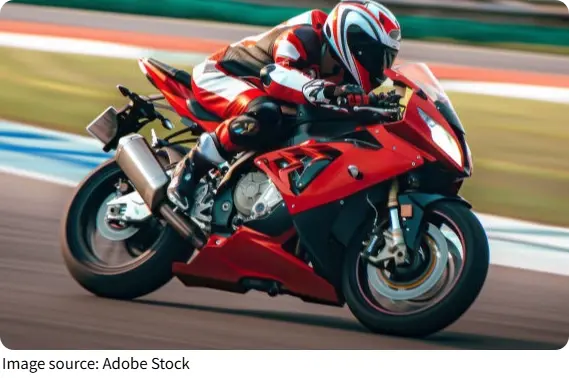
Crosswinds can push a motorcycle sideways, requiring subtle adjustments to maintain your intended direction. Use smooth handlebar inputs and allow the motorcycle to respond progressively. Coordinate your body position with the wind rather than making sudden or exaggerated movements.
A controlled lean into the wind may help counter its sideways force. The appropriate adjustment depends on wind strength, road conditions, and motorcycle design. Focus on maintaining a predictable line while keeping your steering inputs measured.
Position Yourself Within the Lane
Choose a lane position that provides sufficient space for small directional corrections. The center of the lane may offer flexibility in many situations, but road layout, surface conditions, and surrounding traffic should guide your decision.
Be particularly attentive when crossing bridges, travelling through open areas, or passing gaps between buildings, where wind exposure can change quickly. Large vehicles can also alter airflow around your motorcycle. Maintain a suitable following distance and allow adequate room when overtaking or being overtaken.
Adjust Speed and Riding Setup
Reduce speed gradually when crosswinds become stronger, keeping throttle and braking inputs smooth. A manageable speed gives you more time to assess changing conditions and maintain a controlled path.
Your riding position, luggage, and accessories can influence wind resistance and handling. Keep luggage securely attached, distribute its weight appropriately, and follow the motorcycle manufacturer's loading recommendations. Avoid unnecessary bulky additions that increase exposure to the wind.
Anticipate Changing Conditions
Wind strength and direction can vary along a route, especially between sheltered roads and exposed stretches. Observe your surroundings and remain ready to make gradual adjustments as airflow changes.
Check the weather before departure and consider a more sheltered route when practical. If conditions exceed your ability to ride comfortably and maintain control, pull over at a suitable safe location and wait until conditions improve before continuing.

Build Confidence in Crosswinds
Confident crosswind riding comes from anticipating airflow changes, maintaining a balanced posture, choosing an appropriate lane position, and adjusting speed smoothly. Applying these techniques helps you respond more effectively to variable wind conditions and maintain a controlled, composed riding style.