Fruits & Veggies for Health

Malcolm
| 19-10-2026
 · Cate team
Fruits and vegetables are essential components of a balanced diet. They provide vitamins, minerals, dietary fiber, water, and beneficial plant compounds that support normal body functions.
Including a diverse selection in daily meals improves nutritional variety while adding natural flavor, color, and texture.
Each type offers a different combination of nutrients, making variety an important part of healthy eating. Choosing different fruits and vegetables throughout the week helps create a balanced approach to everyday nutrition.
Fruits Supply Essential Nutrients
Apples, oranges, bananas, berries, and kiwifruit provide different combinations of vitamins, minerals, fiber, and carbohydrates. Vitamin C supports normal immune function and collagen formation, while potassium contributes to normal muscle function and fluid balance.
Whole fruits also provide dietary fiber, which supports digestive health and can help you feel satisfied after eating. Fresh, frozen, and suitable canned fruits can all contribute to a nutritious diet.
Simple daily habit: Add fruit to breakfast, enjoy it as a snack, or combine different varieties in a fruit bowl.
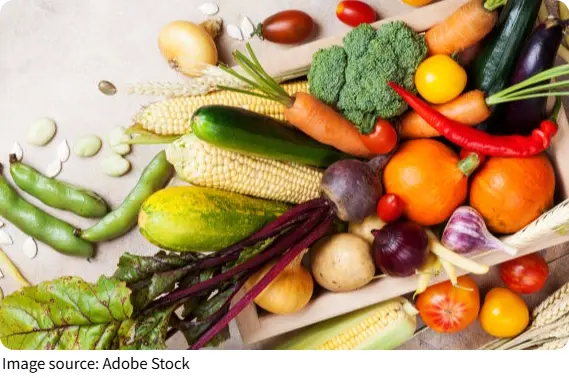
Vegetables Broaden Nutrient Intake
Vegetables provide a range of vitamins, minerals, fiber, and beneficial plant compounds. Spinach supplies folate and vitamin K, carrots contain beta-carotene, and broccoli provides vitamin C and fiber.
Including different vegetables in everyday meals helps diversify nutrient intake. Leafy greens, orange vegetables, cruciferous vegetables, and other varieties each contribute distinct nutritional qualities.
Simple daily habit: Serve vegetables with lunch and dinner, add leafy greens to egg dishes, or mix chopped vegetables into grain-based meals.
The NHS states, “Fruit and vegetables are part of a healthy, balanced diet and can help you stay healthy.”
Fiber Supports Digestive Health
Dietary fiber helps maintain normal bowel function and supports digestive health. It can also contribute to feelings of fullness, making fiber-rich foods useful components of satisfying meals.
Whole fruits and vegetables are convenient sources of fiber. Where appropriate, edible skins can be enjoyed after produce has been washed thoroughly. Choosing whole fruit more often than juice can also help preserve the fiber naturally present in the fruit.
Simple daily habit: Include whole fruit, vegetables, beans, and other fiber-rich foods in your regular meals.
Enjoy a Variety of Colors
The natural colors of fruits and vegetables reflect different plant pigments and compounds. Tomatoes, carrots, purple cabbage, leafy greens, and berries offer varied nutritional profiles.
Color alone does not determine nutritional value, and no single color is best in every situation. The aim is to enjoy a broad selection rather than concentrate on just one type of produce.
Simple daily habit: Choose different colors throughout the week and try unfamiliar varieties when available.
Make Produce Part of Every Meal
Fruits and vegetables fit naturally into many everyday meals. Fruit complements oats and breakfast cereals, vegetables add freshness to lunch, and cooked produce pairs well with grains, beans, eggs, nuts, and seeds.
Planning ahead makes these choices more convenient. Keep fruit accessible, prepare vegetables before mealtimes, and store frozen produce for days when fresh ingredients are unavailable.
When buying canned or packaged products, check the labels and choose options with little or no added sugar or excess salt.
Practical Ways to Eat More Produce
A consistent routine is easier to maintain when nutritious choices fit naturally into everyday life.
- Improve breakfast: Add a banana, berries, or another fruit to your morning meal.
- Enrich lunch: Include leafy greens, carrots, tomatoes, or other vegetables.
- Choose fruit for snacks: Keep convenient whole fruits available between meals.
- Vary evening meals: Rotate leafy greens, orange vegetables, broccoli, and seasonal produce.
- Prepare in advance: Wash and cut vegetables ahead of time and keep frozen options ready.
- Explore new choices: Introduce different fruits and vegetables gradually to discover the flavors and textures you enjoy.
As a general guideline, the World Health Organization recommends consuming at least 400g of fruits and vegetables daily for people over 10 years old. Individual needs vary, so aim for an eating pattern that suits your age, nutritional requirements, and daily routine.

Make Fruits and Vegetables a Daily Priority
Fruits and vegetables contribute to a balanced diet by supplying essential nutrients, supporting digestive health, and increasing dietary variety. Their different nutritional profiles make it worthwhile to include a broad selection in everyday meals.
Start with manageable changes: add fruit to breakfast, serve vegetables with main meals, and explore new varieties throughout the week. Consistency and variety are more valuable than relying on any single fruit or vegetable for better health.