Base Torres Hiking Guide

James Carter
| 12-11-2026
 · Travel team
Base Torres is one of the most spectacular hiking destinations in Torres del Paine National Park in southern Chile.
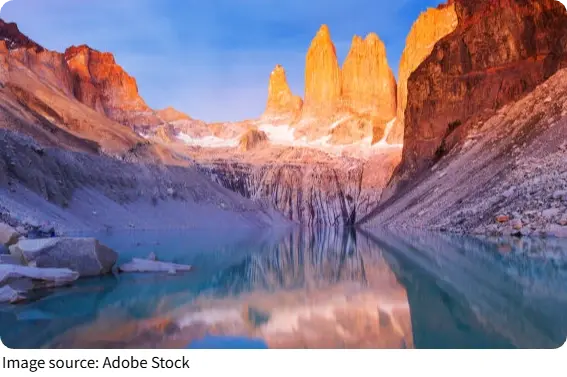
Known for its three towering granite peaks rising above a turquoise glacial lagoon, this iconic viewpoint showcases the extraordinary landscapes of Chilean Patagonia.
The journey combines mountain scenery, forest trails, and a challenging final climb, making it a rewarding experience for hikers seeking to explore one of the region's most recognizable natural landmarks.
Base Torres
Exploring the Three Towers
The three granite formations, known as the Torres del Paine, dominate the landscape of the national park. Their enormous vertical walls rise above a glacial lagoon, creating a striking contrast with the surrounding mountains and rocky slopes.
The viewpoint is reached through the Ascencio Valley, where the trail follows mountain streams, crosses forested areas, and gradually climbs into open alpine terrain. The changing scenery provides excellent opportunities to appreciate the natural beauty of Patagonia.
At the end of the route, hikers reach the lagoon beneath the towers. This spectacular setting offers panoramic mountain views and an opportunity to photograph the three granite peaks reflected in the turquoise water.
Hiking the Base Torres Trail
The standard Base Torres hike begins near the Welcome Center in the Central sector of the national park. The round-trip distance is approximately 20–22 kilometers, with a typical completion time of eight to ten hours.
The route combines sustained uphill walking, forest paths, uneven mountain terrain, and a steep final ascent across a rocky slope. Starting early and maintaining a comfortable pace allows sufficient time to complete the journey and enjoy the viewpoint.
Wear sturdy hiking boots with good grip and dress in layers. Essential equipment includes waterproof outerwear, warm clothing, gloves, and trekking poles. Bring sufficient drinking water, sandwiches, fruit, and energy-rich snacks for the entire excursion.
Best Time to Visit
The main hiking season generally runs from October to April, when longer daylight hours provide favorable opportunities for exploring the national park.
Summer, particularly December through February, is the most popular period for hiking. Spring and autumn offer different seasonal scenery, with changing colors across the landscape and varying temperatures.
Winter brings snow-covered mountains and a distinctive alpine atmosphere. During the designated winter season, Base Torres access requires an accredited specialized guide under the applicable park regulations. Check the current seasonal requirements, trail schedules, and equipment recommendations before traveling.
How to Get There
Puerto Natales is the main gateway to Torres del Paine National Park. Travelers can reach the town through its regional airport when flights are available or fly into Punta Arenas and continue approximately 250 kilometers by road to Puerto Natales.
From Puerto Natales, buses travel to the Laguna Amarga entrance in approximately two hours. A one-way ticket costs around $18 per person, while a return journey is approximately $36.
At Laguna Amarga, visitors can arrange a shuttle transfer to the Central sector and Welcome Center. This connection generally costs around $3–$5 per person each way.
Car rental offers greater flexibility for exploring the national park, with estimated daily rates starting at approximately $60, depending on the vehicle and travel dates.
Purchase the national park entrance pass online before arrival. For international visitors in 2026, the approximate entrance fees are $33 for a one-day visit and $49 for a pass covering two or more consecutive days. Confirm the applicable ticket category and current prices when booking.
Accommodation in Puerto Natales
Puerto Natales provides a range of accommodation, from budget hostels to private guesthouses and comfortable hotels.
Estimated nightly prices include:
- Shared hostel accommodation: $12–$35.
- Private guesthouse rooms: $45–$80.
- Comfortable hotel rooms: $80–$150.
Staying in Puerto Natales makes it convenient to arrange transportation, purchase hiking equipment, and prepare meals before an early departure.
Travelers spending several days inside the national park can also choose mountain refuges and designated campsites. These options provide convenient access to hiking routes and scenic areas. Advance reservations are particularly useful during the summer season.
Local Food and Dining
Puerto Natales offers a selection of Chilean and Patagonian cuisine, with seafood, grilled chicken, vegetable soups, fresh bread, salads, and regional pastries among the available choices.
Fresh fish and shellfish are popular local specialties, while chicken dishes and vegetable-based meals provide additional dining options. Bakeries and cafés are also convenient places to enjoy breakfast and light refreshments.
Typical food prices include:
- Breakfast: $5–$12.
- Lunch: $8–$18.
- Dinner: $15–$30.
- Coffee and pastries: $4–$8.
For the Base Torres hike, prepare a packed lunch with sandwiches, fruit, nuts, and other easy-to-carry snacks. Bring enough drinking water for the full excursion, as food and refreshment facilities along the trail are limited.
Other Attractions in Torres del Paine
Beyond Base Torres, the national park features several remarkable landscapes that are worth including in a longer itinerary.
- Lake Pehoé: Known for its turquoise water and impressive mountain backdrop, this lake offers beautiful viewpoints and excellent photography opportunities.
- Salto Grande: This scenic waterfall connects Lake Nordenskjöld with Lake Pehoé. A relatively short walk from the designated parking area provides access to the waterfall and surrounding scenery.
- Grey Glacier: A spectacular ice formation surrounded by mountains and a lake filled with floating ice. Visitors can explore designated viewpoints and organized excursions in the Grey sector.
- Lake Nordenskjöld: Recognized for its striking water colors and impressive mountain surroundings, this lake is an excellent destination for enjoying Patagonia's landscapes.
Practical Tips for Your Visit
Prepare your hiking equipment before departure and confirm transportation and accommodation arrangements in advance. Pack layered clothing, a waterproof jacket, sun protection, a charged phone, sufficient food, and drinking water.
Check the national park's entrance conditions and trail schedule for your travel date. The Base Torres route operates according to designated entry and exit times, so plan your departure carefully to allow enough time for the complete hike.
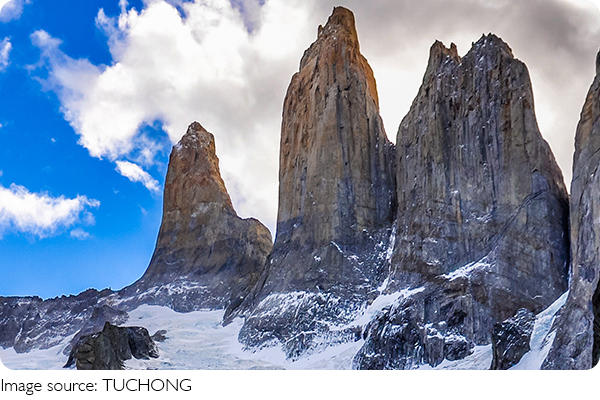
Base Torres is an exceptional destination for experiencing the natural beauty of Chilean Patagonia. Its impressive granite towers, turquoise lagoon, and scenic mountain trails make the hike one of the highlights of Torres del Paine National Park. With suitable equipment, organized transportation, and advance planning, visitors can enjoy a memorable journey through one of South America's most remarkable mountain landscapes.